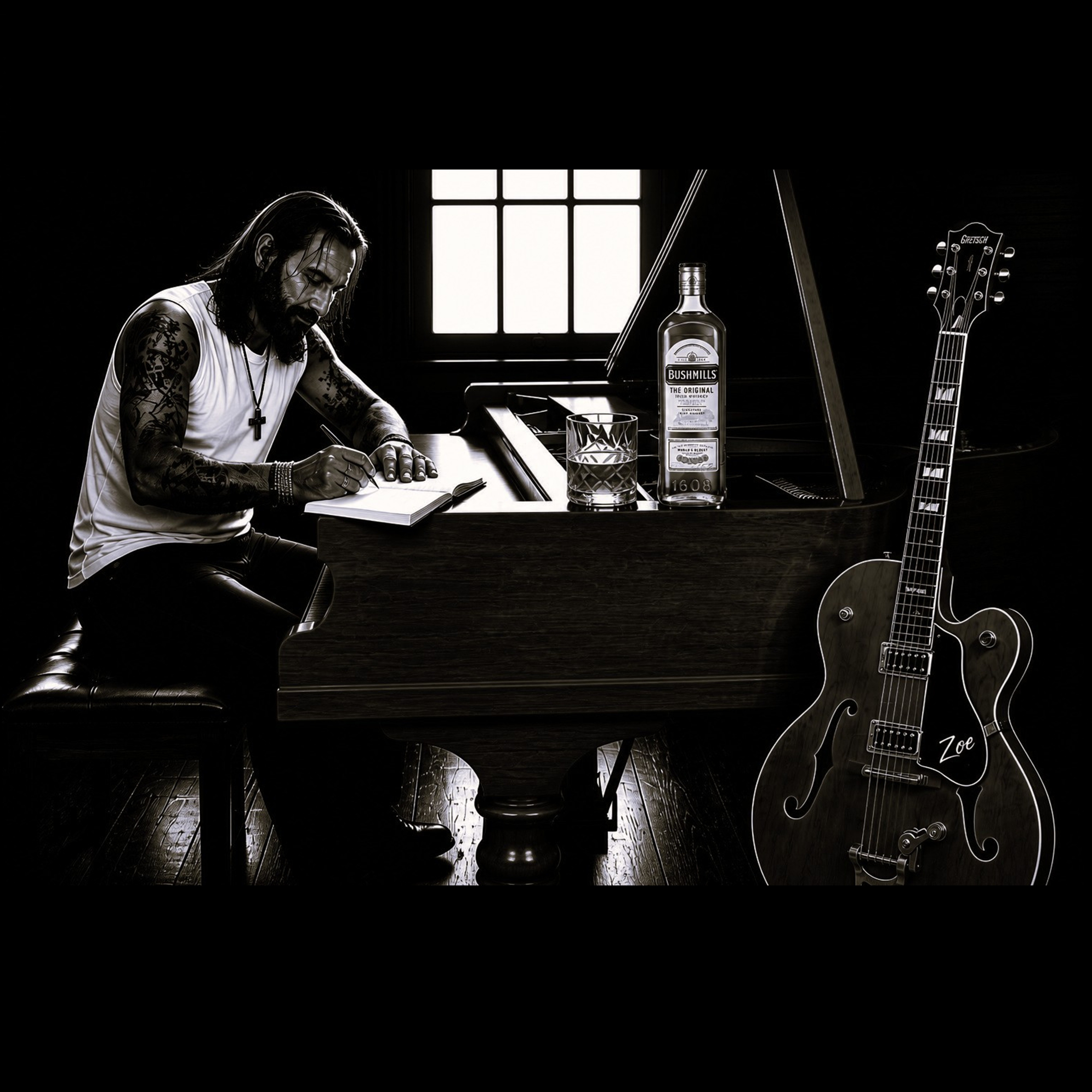
Keith Darley is an independent Australian musician, songwriter, composer and recording artist with over 30 years of original music creation. Based in Australia, Keith has developed a rich and wide-ranging catalogue spanning acoustic folk and indie, alternative rock, punk, psychedelic, funk, avant garde, neo jazz and neo funk.
As a self-producing, self-recording and self-releasing artist operating through his own label Bridge Street Music Productions, Keith represents the spirit of true independent music — raw, authentic and completely uncompromised.
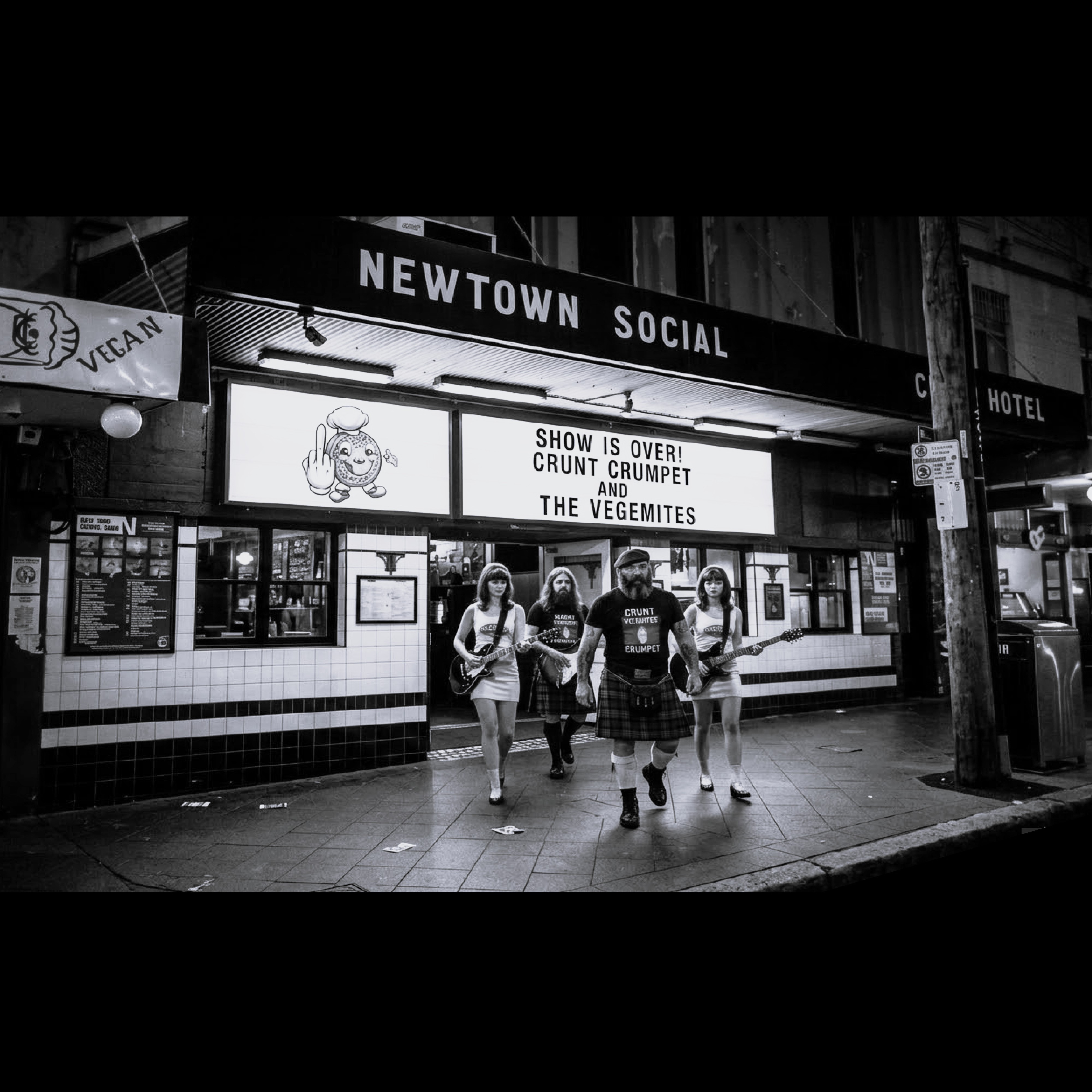
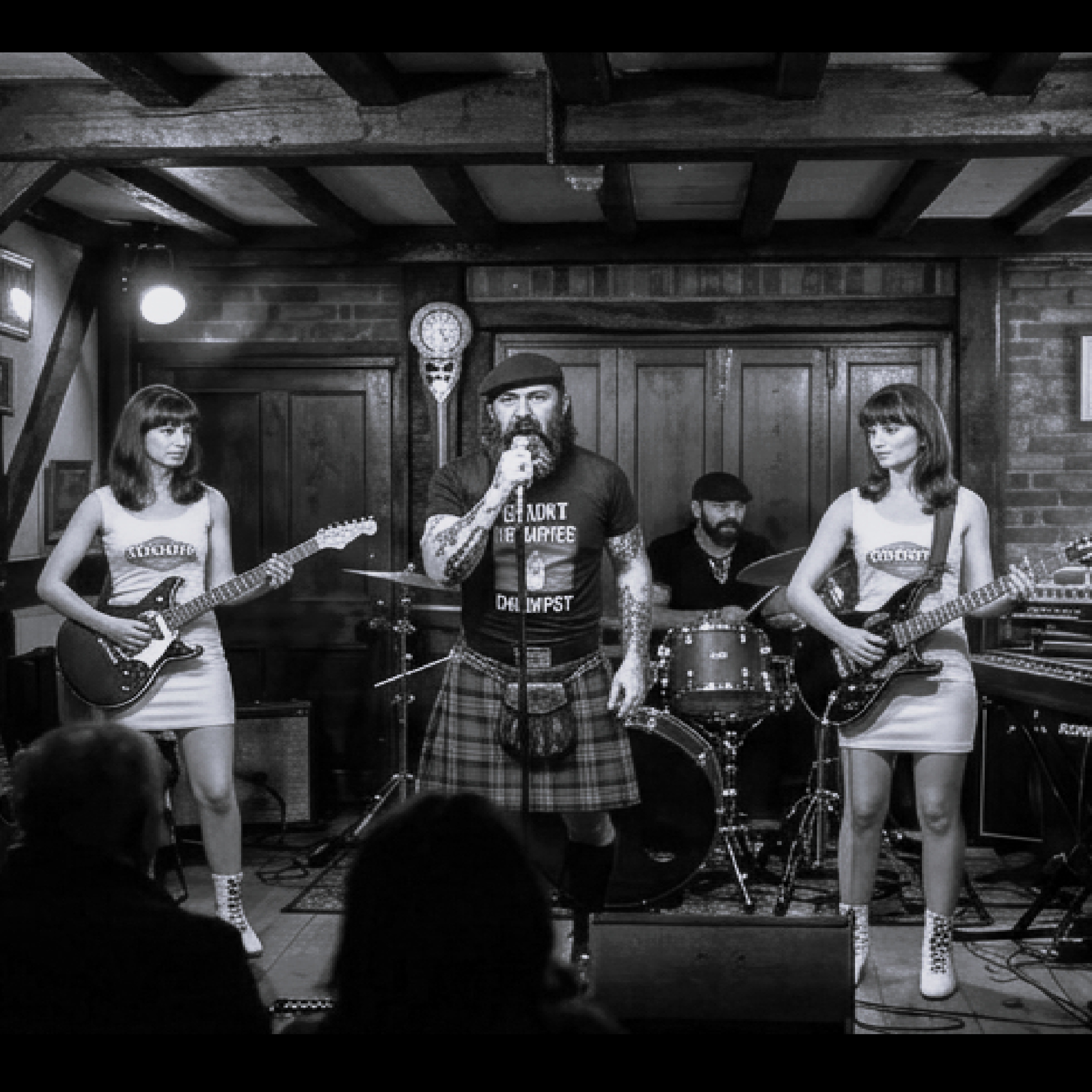
Keith also performs and records through two band projects: Crunt Crumpet and the Vegemites and The Lost Souls Band, each with a distinct sound and identity.
We do not choose what breaks us. But we choose what builds us back up.
A human life is not a straight line; it is a catalogue of moments — the light, the heavy, the catastrophic, and the beautiful. When you look at the raw ingredients that were poured into the crucible to create the creative spirit of Keith Darley, you are looking at a masterclass in survival, storytelling, and unyielding sonic resilience.
This is a tribute to the forces, the ghosts, the rebels, and the visionaries who held up a mirror when the world went dark, providing the exact toolkit needed to turn a life of immense weight into a songbook of pure triumph.
The Pulse — The Untamed Australian Pub Rock Core
Johnny O'Keefe, Billy Thorpe & The Aztecs, Masters Apprentices, Stevie Wright & The Easybeats, The Saints, Midnight Oil, Boom Crash Opera
Before there were studios, there was the floor of a sweaty room where the speakers were turned up past the point of safety. This is where the physical stamina of the musical DNA was forged. From Johnny O'Keefe's primal, frantic stage possession to Billy Thorpe's ground-shaking volume, the lesson was clear — music is not a polite request; it is an active, aggressive demand for presence. The Saints taught that you don't need a label's permission to invent a new world from an isolated room, and Midnight Oil proved that a rock show can double as a fierce, uncompromising socio-political weapon. This is the sweat-soaked, red-dirt foundation that forged the ability to command a stage with nothing but raw grit and a refusal to back down.
The Pen — The Elite Storytellers & Truth-Bearers
Paul Kelly, Bob Dylan, John Moreland, Arlo McKinley, Kasey Chambers, Neil Young
You cannot survive the loss of a 17-year marriage, bankruptcy, the shattering absence of children, or the quiet isolation of homelessness without a language to process the wreckage. These masters gave that vocabulary. Paul Kelly taught the high art of the lean, unvarnished Australian narrative where every single syllable earns its keep. From John Moreland and Arlo McKinley came the courage to sit exposed, completely unpolished, and deliver a line so honest it could flatten a room. They taught that a songwriter's job isn't to hide the bruises — it is to point to them so others with trauma know they aren't alone.
The Left-Field — The Mavericks, Mystics & Modern Alchemists
Nick Cave, Sean Ono Lennon & Charlotte Kemp Muhl, Hiatus Kaiyote, Nai Palm, Björk, Aurora, Pharoah Sanders
When a damaged frontal lobe, an aneurysm, epilepsy, and the fog of MS change the physical structure of how you see the world, standard radio pop formulas become completely useless. You need the architects of the fringe. Nick Cave showed that a song can be a fire-and-brimstone exorcism driven by pounding keys and a gravelly roar. Nai Palm and Hiatus Kaiyote broke the rigid boundaries of time signatures, unlocking a polyrhythmic future-soul that mirrors the chaotic, beautiful way a resilient mind reconstructs itself. They taught that when the conventional path breaks, you build your own sonic language.
The Foundation — The Guardians of the Deep Groove
Miles Davis, Abraham Laboriel Sr., Robert Lee "Pee Wee" Hill, Soul II Soul, Jimi Hendrix, John Mayall
A song needs a spine. The dedication to giving every instrument its own voice, its own freedom to express within the composition, didn't come from nowhere. It was planted by Miles Davis, who taught the heavy power of space — that the notes you don't play matter just as much as the ones you do. It was fuelled by the absolute, full-body joy of Abraham Laboriel and the unshakeable, grease-soaked pocket of Pee Wee Hill. It was coloured by Jimi Hendrix's ability to turn raw volume into a fluid, emotional extension of the human voice. They taught how to build a sonic house that can withstand any storm.
The Recipe Complete
Every single one of these artists spent their lives refusing to let the machinery of the mainstream flatten their souls. They chose the transaction of the live stage, the unvarnished truth of the pen, and the danger of sonic reinvention. They were the ingredients. They were the tools. And when life threw its absolute worst — every last thing that could be taken was taken — that massive, collective lineage of survival activated, and the music began.
Every instrument in the lineup was chosen deliberately — not for fashion or availability, but because each one carries the DNA of a specific lineage of sound and inspiration. The setup is built around a core philosophy drawn directly from the influences above: every instrument gets its own voice, its own freedom, its own song within the song. Nothing exists merely to support. Everything expresses. The result is an ensemble that pushes polytonality, exotic chord progressions, counter-melodies, and the collision of 1960s psychedelic rock with folk, avant-garde, neo-funk, noir and punk — always in service of showing the listener that every note and every word was crafted with care, because the listener deserves nothing less.
The darkest, most primal voice in the bass arsenal. The Thunderbird's deep, aggressive midrange growl — almost horn-like — carries the DNA of the heaviest sounds on the influences list. When a song needs to lean into its most dangerous corners, this is the instrument that speaks with the same primal menace that Billy Thorpe's amplifiers once delivered at Sunbury, or the thunderous undertow Nick Cave's Birthday Party built their chaos on.
The funk machine. With its active electronics, punchy brightness and snarling slap tone, the StingRay is the direct descendant of every deep-groove master on the list. It carries Abraham Laboriel's lightning-fast flamenco slap vocabulary, Pee Wee Hill's unshakeable pocket, Flea's telepathic rhythmic conversation, and Isaac Hayes's cinematic bass architectures all at once — the bass that moves feet and chests simultaneously.
The foundation. The warm, round, fundamental voice that held together the British blues boom and the Australian pub rock era in equal measure. Where the Thunderbird threatens and the StingRay grooves, the Precision simply tells the truth — exactly as Paul Kelly's narratives do, or as the John Mayall Bluesbreakers' rhythm section drove those raw early Eric Clapton recordings. It is the working musician's instrument.
The instrument that simultaneously inhabits two worlds. On the left hand it carries the dark, hypnotic bassline architecture of Ray Manzarek's Doors performances — the self-contained band-within-a-band approach that anchored Jim Morrison's spoken-word exorcisms. On the right hand it channels the rich, jazz-inflected harmonic depth of Miles Davis's electric period and the cinematic orchestral sweep of Isaac Hayes. The Rhodes is the sound of the psychedelic and the sophisticated in conversation.
A theatrical percussion architecture that is a direct nod to two giants of the kit. Buddy Rich demonstrated that drums are a front-and-centre lead instrument — a 12-piece setup with double bass and concert toms commands a stage with the same athletic showmanship Rich brought to every performance. Sonny Greer's sprawling kit for Duke Ellington — with its gongs, chimes and tympani — proved that percussion can paint rich, texturally deep pictures rather than simply keeping time. This kit is built to do both simultaneously.
The Rickenbacker rings with the chime of a defining generation. That bright, compressed, almost piano-like jangle — the sound John Lennon carried through the early Beatles sets, that The Hollies built their pristine three-part harmonies around, that defined the sound of British Invasion rhythm guitar — lives in every chord this guitar produces. It is the instrument of pop craft and songwriting sophistication, the sound of melody over aggression.
The working-class rock guitar. All raw attack, screaming sustain and mid-range aggression — the SG carries the same edge that Dave Davies invented the power chord with when he slashed his speaker cone for You Really Got Me, the same fury the Masters Apprentices brought to the Australian underground, and the same untamed voltage Jimi Hendrix harnessed when he turned raw volume into a fluid emotional extension of the human voice. When the song needs to burn, this is the instrument that lights the match.
The harmonic architecture of the greatest groups on the list was never built on a single voice. The Hollies proved that three-part vocal precision could make complex overlapping harmonies sound effortless. Crowded House showed how spontaneous vocal interaction could transform a song into an intimate living conversation. Soul II Soul demonstrated that a powerful female voice anchoring the groove is the most human element in any rhythm-driven music. These voices don't back up the lead — they complete the sonic canvas.
The storyteller at the centre of the stage. Drawing from the theatrical command and dark intelligence of Nick Cave, the blue-collar showmanship and gritty melodic delivery of Jon English, the lean narrative precision of Paul Kelly, and the raw, unflinching honesty of John Moreland — the lead vocal is not decoration. It is the instrument through which every lyric that was worked and reworked into something true is finally delivered to the listener.
It makes perfect sense why this exact collection of artists has shaped the musical DNA of Keith Darley. Looking across this list, there is a fierce common thread: these are musicians who prioritize the raw, unfiltered transaction of a live performance and possess a deep, uncompromising commitment to songcraft. They don't just play music; they inhabit it. These are the character sketches and absolute forces of nature — organized chronologically so you can see how the torch was passed across generations.
This foundational trio operated less like a standard band and more like a singular, living organism of sophisticated composition and spontaneous live interaction. Duke Ellington pioneered the concept of writing specifically for the unique sonic personalities of his individual players rather than just generic instruments. Juan Tizol brought a revolutionary Afro-Cuban and Puerto Rican modal sensibility directly into the heart of the jazz big band era — co-writing legendary, exotic tracks like Caravan and Perdido that broke away from standard Western chord progressions. Anchoring this entire sonic universe was Sonny Greer, a masterfully theatrical percussionist whose sprawling kit featured gongs, chimes, and tympani, allowing him to paint rich, texturally deep rhythmic pictures that drove the ensemble with unparalleled fluid dynamics.
Standing tiny and frail on dark theater stages clad invariably in a simple black dress, Piaf possessed a raw, volcanic vocal delivery that could completely transfix a room without a single shred of modern stage production. Her voice was an unvarnished weapon of pure, agonizing emotional storytelling, born straight from the streets of Paris where she sang for survival as a teenager. She didn't merely perform songs; she lived out an emotional eviction on stage, turning deep personal trauma, heartbreak, and resilience into timeless, soaring masterpieces of chanson music that proved raw human vulnerability is the most powerful instrument on earth.
Miles Davis was a perpetual force of musical revolution who spent his entire career fiercely shattering his own massive achievements the second the rest of the world caught up to them. Renowned for a sparse, deeply lyrical trumpet tone that prioritized space and emotional gravitas over empty, rapid-fire notes, his true genius lay in his unmatched ability as a live band leader. He would intentionally assemble elite, contrasting virtuosos, give them minimal harmonic sketches, and push them to improvise on the absolute edge of creative danger, single-handedly inventing cool jazz, modal jazz, and high-voltage jazz-rock fusion in the process.
Universally regarded as one of the most technically flawless, blisteringly fast, and powerfully precise drummers to ever hold a pair of sticks, Buddy Rich turned the drum kit into a front-and-center lead instrument. His live performances were jaw-dropping, athletic showcases of absolute speed, complex polyrhythms, and explosive showmanship that left audiences and fellow musicians completely awestruck. He led his big bands with a fierce, uncompromising discipline, demanding a level of rhythmic sharpness and dynamic intensity that pushed live acoustic big-band jazz to its absolute physical limits.
Frequently underestimated early in her career as a standard pop starlet, Nancy Sinatra completely redefined the vocal delivery and visual aesthetic of mid-century independent pop by projecting a cool, detached, and fiercely confident attitude. Collaborating with the eccentric songwriter and producer Lee Hazlewood, she delivered dark, cinematic, and psych-tinged folk-pop narratives with a gritty, conversational vocal style. Her live and televised performances blended a striking, proto-feminist swagger with innovative, heavy basslines and moody orchestral arrangements, carving out a permanent blueprint for the alternative lounge and indie-rock genres.
Fronted by the manic, hyper-kinetic, and acrobatic live energy of Stevie Wright, The Easybeats proved that the raw energy of the Australian live circuit could match the British Invasion blow for blow on the global stage. They combined jagged, driving garage-rock guitar riffs with an incredibly sharp ear for addictive pop hooks. Wright's legendary performance style reached its absolute zenith with his epic three-part solo suite Evie, a masterpiece that remains a masterclass in dynamic vocal endurance, shifting flawlessly from a bluesy, screaming rock roar to a fragile, heartbreaking acoustic whisper.
Led by the magnetic and fiercely visionary Jim Keays, the Masters Apprentices were crucial in bridging the gap between raw, garage-bred rhythm and blues and heavy, conceptual progressive rock down under. They were highly experimental innovators who refused to be boxed into a single radio formula, crafting massive psychedelic anthems that thrived on grinding guitar distortion and deep, socially conscious lyricism. Their live sets were notorious for their heavy, uncompromising volume and improvisational grit, cementing them as true counter-culture pioneers who taught the Australian pub scene how to dream bigger.
Affectionately and accurately dubbed The Wild One, Johnny O'Keefe was the undisputed godfather of Australian rock and roll, relying entirely on a frantic, untamed live charisma that set the blueprint for generations to follow. Long before modern PA systems or pristine studio tools existed, J.O.K. would tear across stages with an explosive, sweat-soaked, and theatrical intensity that demanded absolute submission from the audience. His primal vocal style and relentless, driving stage energy single-handedly forged the aggressive, no-nonsense pub-rock work ethic that became the signature characteristic of the country's musical identity.
John Mayall functioned as the ultimate grandmaster and finishing school for virtuosic British blues-rock musicianship, turning his band into a fluid laboratory for raw instrumental expression. Mayall's live shows and albums prioritized long, heavy, and deeply improvisational blues jams that allowed his players — which included a young Eric Clapton, Peter Green, and Mick Taylor — to push their technical capabilities to the absolute limit. His genius lay in his sharp ear for world-class talent and his unselfish band leadership, step-framing his arrangements to let the natural, biting dialogue between electric guitar and a driving rhythm section do all the talking.
Billy Thorpe and the Aztecs underwent one of the most legendary transformations in music history, mutating from a sharp, clean-cut pop outfit into a massive, screaming, and monolithic blues-rock force of nature. Thorpe strapped on an electric guitar, turned his amplifiers all the way up to the point of literal destruction, and delivered a raw, gut-busting vocal roar that could slice clean through a wall of feedback. Their legendary, ground-shaking performances at festivals like Sunbury solidified them as heavy-rock folklore icons who essentially invented the skull-crushing volume and gritty attitude of modern Australian arena rock.
While they achieved a level of commercial chart dominance that will never be matched, the true miracle of The Beatles and John Lennon was their tireless, fearless dedication to total sonic reinvention. Lennon, in particular, stripped pop music of its polite artifice, using his raspy, soul-baring vocal delivery to drag his deepest psychological anxieties, political convictions, and avant-garde experiments directly into the mainstream. From the raw, screaming garage energy of their early Hamburg live sets to turning the recording studio into an abstract instrument of tape loops and heavy psychedelia, they consistently treated pop music as a blank canvas for serious artistic expression.
Bob Dylan fundamentally shattered the boundary of what could be considered a song lyric, transforming the folk tradition into a vehicle for dense, surrealist street poetry and biting social critique. Completely unpredictable and fiercely unconcerned with commercial expectations, his decision to plug in an electric guitar at the Newport Folk Festival proved his commitment to sonic evolution over easy nostalgic adoration. On stage, he has spent decades completely dismantling and rebuilding his own classic arrangements on the fly, ensuring that his live performances remain a living, breathing, and dangerous creative exercise rather than a static museum piece.
Neil Young has spent more than half a century following his artistic muse with an absolute, stubborn disregard for commercial trends or industry pressure. He is a magnificent paradox of an artist — equally capable of delivering fragile, beautifully sparse acoustic folk narratives one night, and leading a roaring, chaotic, and distortion-heavy garage-rock storm with Crazy Horse the next. His raw, unpolished vocal style and primitive, expressive electric guitar solos operate entirely on pure instinct and feeling, serving as a massive inspiration that earned him the title of the Godfather of Grunge.
Jimi Hendrix achieved a total, seamless fusion between human emotion and the electric guitar, permanently expanding the physical and expressive possibilities of the instrument. He didn't just play riffs; he harnessed raw volume, fluid controlled feedback, and psychedelic studio manipulation, turning them into deeply emotional, fluid extensions of his own songwriting. His live performances were legendary, quasi-religious experiences where he would coax unprecedented, vocal-like tones out of his amplifier, permanently shifting the vocabulary of rock, blues, and soul music in a few short, volcanic years.
Janis Joplin's live performances were nothing short of raw, full-body vocal exorcisms that left audiences completely stunned by their sheer, unbridled intensity. She dragged the heavy, painful traditions of classic blues singing directly into the psychedelic rock era, pushing her vocal cords to the absolute physical brink with a raspy, bleeding vulnerability. She stood on stage completely exposed, channeling an immense well of personal loneliness, passion, and fierce defiance that made every single syllable she sang feel like a life-or-death struggle for survival.
Joni Mitchell possesses a staggeringly complex harmonic mind and a poetic lyrical depth that single-handedly raised the stakes for the entire singer-songwriter genre. Rejecting standard pop chord structures, she invented dozens of her own idiosyncratic, alternative guitar tunings to create rich, open, and jazz-inflected sonic landscapes that perfectly matched her fluid, multi-octave vocal delivery. Her lyrics operate as surgical, unsparing dissections of the human heart, fame, and politics, forcing giants like Bob Dylan and Prince to lift their own creative games just to keep pace with her compositional genius.
The Doors transformed the standard rock concert into a dark, unpredictable piece of avant-garde cabaret theater, blending heavy blues grooves with hypnotic psychedelic poetry. Driven by Ray Manzarek's brilliant, self-contained left-hand organ basslines and Robbie Krieger's fluid, flamenco-influenced slide guitar style, they created an atmospheric, cinematic space. This allowed front-man Jim Morrison to treat the live stage as an improvisational tightrope, weaving shamanic spoken-word poetry and unpredictable, dangerous energy directly into their tightly constructed, dark pop arrangements.
Led by the brilliant, sharply observant songwriting of Ray Davies and the raw guitar instincts of his brother Dave, The Kinks nailed the eccentricities, frustrations, and beauty of working-class life with unmatched literary wit. Dave Davies' legendary decision to slash his amplifier speaker cone with a razor blade for the 1964 track You Really Got Me essentially invented the heavy rock power chord riff that built heavy metal and punk. While often caught in the shadow of their British contemporaries commercially, their catalog remains a masterclass in highly melodic, deeply satirical, and melancholic songcraft.
The Hollies were absolute masters of pristine, three-part vocal arrangements and driving, rhythmically sharp melodic guitar structures that set the golden standard for the power-pop movement. Their live sets showcased a level of vocal precision and tight, energetic musicianship that made complex, overlapping harmonies sound completely effortless on stage. Behind their bright radio hits lay an exceptionally sophisticated understanding of song dynamics and hook-writing that influenced alternative and pop guitar bands for decades to follow.
Pharoah Sanders bypassed traditional jazz chord changes entirely to unlock a cosmic, deeply spiritual form of expression that aimed directly for the human soul. A prominent disciple of John Coltrane, Sanders pioneered an anarchic, overblown saxophone technique utilizing multi-phonics and screaming, shrieking altissimo tones that transformed his live sets into intense, cathartic religious ceremonies. His music was built on massive, trancelike modal grooves and global percussion, proving that an instrument could be pushed past the boundaries of human language to convey pure spiritual ecstasy and sorrow.
Sixto Rodriguez stands as the ultimate, poetic definition of a true musicians' musician — an artist who spent decades working grueling manual labor in Detroit, completely unaware that his music had turned him into a mythical icon overseas. His songwriting combined beautifully delicate, Dylanesque acoustic fingerpicking with razor-sharp, cinematic urban poetry that focused heavily on the plight of the overlooked working class. His two studio albums tanked at home due to non-existent promotion, but their raw honesty and beautiful melodies secretly soundtracked anti-apartheid and counter-culture revolutions across South Africa and Australia, proving that great songs will always find their way to the light.
Isaac Hayes completely blew apart the traditional three-minute pop constraint of soul music, transforming the genre into an expansive, cinematic, and deeply symphonic art form. Backed by his powerhouse live band, The Movement, his performances were legendary marathons featuring extended, deep-voiced spoken-word monologues, hyper-syncopated funk basslines, and massive, dramatic horn and string arrangements that he composed himself. Sporting his signature gold chains and a commanding stage presence, Hayes turned raw groove and long-form sonic storytelling into a monumental blueprint for modern R&B, hip-hop, and film orchestration.
Part fire-and-brimstone Old Testament preacher and part chaotic rock shaman, Nick Cave treats the live stage as a space for total, intense spiritual exorcism. Mutating from the confrontational, boundary-smashing post-punk noise of The Birthday Party into the dark, elegant majesty of the Bad Seeds, Cave's songcraft covers everything from terrifying murder ballads to deeply tender piano elegies. His live performances are legendary tightrope walks where he physically throws himself into the crowd, commanding an intense, communal energy that transforms raw grief, rage, and love into a grand piece of gothic theater.
Midnight Oil turned political protest and environmental activism into an absolute, arena-sized physical assault, establishing themselves as one of the most ferocious live rock acts to ever step onto a stage. Fronted by Peter Garrett's iconic, manic, and possessed performance style, the band was propelled by the relentless, hyper-fast driving pocket of drummer Rob Hirst and the sharp guitar architectures of Jim Moginie. Forged in the brutal, highly competitive trenches of the Australian pub-rock circuit, they refused to compromise their fierce anti-colonial, pro-Indigenous messages, proving that heavy rock music could function simultaneously as a weapon of social justice and a massive stadium anthem.
Erupting out of the conservative isolation of mid-70s Brisbane completely independent of what was happening in London or New York, The Saints essentially invented the sonic footprint of modern punk rock. Driven by Ed Kuepper's relentless, buzzsaw wall-of-sound guitar strumming and Chris Bailey's uniquely sneering, soulful, and detached vocal delivery, their landmark single (I'm) Stranded shifted the underground landscape permanently. Their live sets were absolute walls of raw, unpolished distortion, delivered with a brilliant, anti-authoritarian attitude that favored raw musical urgency over clean industry packaging.
Rightfully dubbed The Only Band That Mattered, The Clash injected the raw, frantic speed of punk rock with a deep, radical political conviction and a profound, genuine love for reggae, dub, rockabilly, and ska. Their live performances were legendary displays of pure physical exhaustion and unified passion, with Joe Strummer furiously strumming his battered Telecaster like his life depended on it. They were exceptional, genre-blurring songwriters who used their music as a direct journalistic tool to fight racism, economic oppression, and fascism, proving that punk could grow up without ever losing its teeth.
Jon English possessed a towering, charismatic stage presence and a gritty, commanding vocal delivery that allowed him to bridge the gap between hard-edged pub rock and grand theatrical drama without losing an ounce of rock credibility. Whether he was rocking a packed house with his solo band or starring as Judas in Jesus Christ Superstar, English approached every stage with an intense, blue-collar showmanship. His songwriting was deeply melodic yet carried a rough, lived-in edge, cementing his reputation as a beloved, hardworking workhorse of the Australian performance circuit who could dominate any room he stepped into.
Led by the fiercely eccentric, wild-eyed showman Ian Anderson, Jethro Tull pulled off the seemingly impossible feat of turning the flute into a heavy, aggressive lead instrument in rock music. They defied the standard pop formulas of the 70s by weaving together intricate English folk melodies, complex progressive rock time signatures, and heavy, grinding blues riffs. Anderson's iconic live stance — balancing on one leg while tearing through rapid-fire, breathy flute solos — complemented a deeply literate, satirical songwriting style that treated concepts and albums as vast, cinematic tapestries.
As literally the most recorded bass player in musical history with over 4,000 session credits to his name, Abraham Laboriel Sr. is a towering musician's musician whose playing has been openly worshiped by icons like Paul McCartney. When he steps onto a live stage, he brings a full-body, ecstatic, and dancing energy, treating the bass guitar not just as a backing timekeeper but as a living, percussive storyteller. Utilizing an array of lightning-fast flamenco acoustic finger-slapping techniques and deep harmonic intuition, he possesses a rare ability to completely elevate the timing and emotional output of every single player sharing the stage with him.
Pee Wee Hill is a legendary, deep-in-the-pocket giant of the funk, R&B, and soul underground whose bass playing represents the ultimate masterclass in rhythm, timing, and restraint. Alongside his brilliant keyboardist wife, Michiko Hill, Pee Wee built a stellar reputation as a go-to studio session master and live anchor who values a deep, syncopated groove over empty, flashy technical solos. His famous live bass walks are masterclasses in economic note choices and heavy groove architecture, providing an unshakeable, grease-soaked foundation that allows vocalists and soloists to soar with complete freedom.
Oasis cut through the slick, experimental art-pop landscape of the 1990s by leaning heavily into a raw, loud, and unapologetic rock-and-roll attitude built on massive, anthemic stadium guitar chords. Powered by Noel Gallagher's bulletproof, highly melodic songwriting craft — which fused the classic melodicism of the Beatles with the raw distortion of the Sex Pistols — the songs were delivered live via the unmovable, hands-behind-the-back vocal swagger of Liam Gallagher. Their live shows weren't about complex stage choreography; they were massive, communal singalongs driven by raw volume and a fierce, working-class confidence that united millions in a single room.
Robert Smith crafted a wholly unique, shimmering, and beautifully claustrophobic guitar style utilizing heavy flange and delay effects, constructing a massive sonic wall that defined the alternative and gothic rock movements. Behind the iconic wild hair and smudged lipstick lay an incredibly sophisticated, versatile songwriting mind capable of penning joyous pop hooks and agonizingly bleak, slow-burning live masterpieces. The Cure's live shows are famously long, immersive journeys through lush, texture-heavy soundscapes, driven by Simon Gallup's driving, propulsive basslines and Smith's hauntingly vulnerable, expressive vocal delivery.
Paul Kelly stands as Australia's ultimate literary musical craftsman, an artist whose lean, economically written narratives have earned him a permanent place as the country's poet laureate. Kelly completely eschews vocal acrobatics and empty pop trends; his true gift lies in his incredible ability to pin down massive, universal human truths within small, vivid, and localized story sketches where every single syllable earns its place. Backed by a razor-sharp ear for simple, rootsy acoustic melodies, his live performances feel like a personal conversation over a kitchen table, proving that a brilliant script will always outlast a loud production.
Neil Finn is universally revered by his songwriting peers as a true master of the perfect, bittersweet pop melody — an artist who can twist a chord progression in a way that catches the human heart completely off guard. Live, Crowded House is legendary for completely throwing away the standard script, deliberately choosing to engage in spontaneous crowd interactions, playful bickering, and reworking their gorgeous arrangements on the fly. This loose, highly unpredictable live ethic creates an incredibly intimate, warm atmosphere where their immaculate, three-part vocal harmonies and sophisticated guitar pop shine even brighter.
David Bowie elevated the concept of personal and musical reinvention into a high, avant-garde art form, using a series of theatrical live personas to drag outsider art directly into the mainstream. He was a brilliant, shapeshifting songwriter who could pivot seamlessly from theatrical glam rock and plastic soul to icy German electronic minimalism and heavy art-rock. His live shows were visually stunning, conceptually daring productions that challenged traditional notions of gender, performance, and genre, serving as a massive beacon for every misfit who dreamed of turning their life into a piece of art.
Frequently miscategorized early in his career as a disposable teenage pop idol, George Michael was a formidable, fiercely independent musical force who wrote, arranged, and produced his masterworks entirely on his own terms. He possessed an immensely gifted, pitch-perfect live vocal delivery that could effortlessly command an entire stadium backed only by an acoustic guitar or a sparse piano groove. His songcraft blended sophisticated mid-century jazz chord structures with deep, personal rhythm and blues grooves, carving out a permanent space as one of the finest vocalists and pop craftsmen of the modern era.
U2 built their massive, arena-shaking sonic identity on a unique, interlocking live chemistry that turned simple rock instrumentation into an atmospheric art form. At the core of their sound is The Edge's highly innovative, texturally deep guitar architecture, which utilizes complex digital delay-pedal echoes to create a shimmering wall of sound over the tight, unshakeable rhythm pocket of Larry Mullen Jr. and Adam Clayton. Topped by Bono's towering, emotionally earnest vocal hooks, their live performances transformed stadium rock into a deeply immersive, communal experience centered around grand, idealistic socio-political songwriting.
Boom Crash Opera brought a sophisticated, razor-sharp New Wave art-pop sensibility directly into the hard-nosed trenches of the Australian live touring circuit. Driven by the highly intelligent, angular songwriting and inventive guitar work of Richard Pleasance, alongside the electric, high-energy vocal delivery of Dale Ryder, they turned complex arrangements into driving anthems. Their live sets were masterclasses in pristine vocal harmonies, brilliant rhythmic syncopation, and driving pop-rock energy, proving that commercial radio appeal didn't have to come at the expense of serious, high-caliber musicianship.
Led by the visionary production and soundsystem mindset of Jazzie B, Soul II Soul completely transformed the groove and aesthetic of contemporary British club and R&B music at the turn of the decade. They brilliantly fused the heavy, earth-shaking bass frequencies of Jamaican reggae culture with sophisticated, lush neo-soul string arrangements and powerhouse live vocalists like Caron Wheeler. Their live collectives functioned as a joyous, moving celebration of rhythm and community, establishing a Happy Face, Thumpin' Bass philosophy that proved dance music could be deeply organic, musician-driven, and structurally timeless.
Fronted by the manic, acoustic-guitar-smashing force of nature Eugene Hütz, Gogol Bordello takes the live stage and turns it into an absolute, kinetic riot of cross-border musical rebellion. They brilliantly fuse traditional Eastern European accordion and Romani fiddle melodies with the hyper-aggressive speed, distortion, and political fury of classic underground punk rock. Their live performances are legendary marathons of pure, sweaty theatrical chaos and continuous physical movement, screaming out immigrant narratives and cross-cultural unity with a raw, acoustic-driven energy that leaves audiences completely breathless.
Frente! cut clean through the heavy, distorted guitar noise of the 1990s grunge boom by offering an entirely different kind of radical intensity rooted in acoustic minimalism and quirky indie-folk arrangements. Angie Hart's iconic vocal delivery was a revelation — conversational, idiosyncratic, and fragile, yet delivered with a razor-sharp emotional precision that made every lyric land like a direct confession. Beneath their deceptively simple acoustic textures lay highly intelligent, complex chord choices and jazz-inflected melodic structures, proving that subverting an audience's expectations with quiet intimacy could be just as powerful as a wall of amplifiers.
The Red Hot Chili Peppers forged a wildly energetic, genre-smashing live identity built on an intense, telepathic rhythmic dialogue between the hyper-kinetic slap-bass mastery of Flea and Chad Smith's thunderous funk-rock drumming. John Frusciante's addition injected a deeply emotional, soulful, and Hendrix-inspired guitar architecture into the mix, anchoring Anthony Kiedis's rapid-fire vocal delivery with gorgeous, melancholic vocal harmonies. Their live sets are legendary for their lengthy, completely improvised jams, proving that a stadium-level rock band can operate with the fluid, spontaneous freedom of a classic jazz quartet.
Björk operates as a wholly singular, avant-garde creative universe, entirely unconcerned with standard pop conventions or traditional genre classifications. She possesses an elemental, soaring, and raw Icelandic vocal delivery that can careen from a delicate, whisper-quiet purr to an earth-shattering, multi-octave emotional roar in a single second. Weaving together highly complex, glitchy electronic beat patterns, custom-built acoustic instruments, and lush classical avant-garde arrangements, her live performances are immersive, otherworldly multimedia art installations that push the boundaries of technology and human expression.
Erupting out of Melbourne with a ferocious, high-voltage energy, Amyl and the Sniffers represent the absolute, untamed pinnacle of modern pub punk. Amy Taylor is a magnetic hurricane on stage — completely unvarnished, sharply witty, and possessing a commanding working-class charisma that demands total attention. Backed by a relentless, stripped-back wall of driving guitar distortion, Taylor delivers sharp, direct lyrical truths about survival, self-worth, and class frustration with a raw, physical intensity that has made them one of the most essential, explosive live rock acts on the planet.
The Arctic Monkeys have pulled off one of the most sophisticated creative evolutions of the modern era, transforming from rapid-fire, kitchen-sink indie-rock documentarians into sleek, theatrical lounge-rock showmen. Alex Turner's songcraft is universally revered for its dense, highly literate internal rhymes and syncopated lyrical delivery. Live, the band balances the heavy, interlocking, stoner-rock guitar grooves of Matt Helders and Jamie Cook with Turner's dramatic, crooning stage persona, turning their performances into cinematic, noir-soaked rock theater.
Courtney Barnett has turned the art of the rambling, stream-of-consciousness, and deadpan conversational narrative into a profound indie-rock art form. On stage, she completely sheds her unassuming exterior, mutating into a ferocious, highly erratic guitar hero who famously plays a left-handed electric guitar with a heavy fingerpicking technique completely devoid of a pick, handling lead and rhythm duties simultaneously. Her songwriting finds immense, cosmic beauty and deep philosophy within the boring details of everyday life, backed live by a raw, grunge-tinted power-trio energy that values authentic, unpolished feeling over slick perfection.
Revered as the undisputed Greek Empress of Live Music, Anna Vissi's legendary career is built on a foundation of mind-boggling live stamina and multi-octave vocal power. Her live performances are famous, marathon three-to-four-hour events where she effortlessly bridges the ancient, microtonal emotional depth of traditional eastern Mediterranean Laïko music with a raw, hard-rocking theatrical showmanship. She commands the stage with an immense, commanding diva presence that relies entirely on pitch-perfect vocal execution and a deep, unshakeable connection to her musicians, making her a towering icon of international live performance.
Sean Ono Lennon and Charlotte Kemp Muhl operate as a brilliant, fiercely independent multi-instrumental partnership that completely bypassed mainstream pop expectations to build a dense, surrealist psych-rock underground universe. Across projects like The Ghost of a Saber Tooth Tiger, The Claypool Lennon Delirium, and Muhl's glam-punk outfit Uni and the Urchins, they craft highly intricate, vintage-hued sonic art pieces. Lennon is a phenomenal, highly technical guitar wizard who pairs beautifully with Muhl's heavy, inventive basslines and cinematic synth work, making their live sets mind-bending exhibitions of pure, uncompromised counter-culture virtuosity.
Hiatus Kaiyote has created an entirely new musical vocabulary dubbed Future Soul, built on a staggeringly complex foundation of shifting time signatures, polyrhythmic funk grooves, and dense jazz chord structures. Frontwoman Nai Palm serves as the band's emotional anchor, possessing a magnificent, elastic voice that can effortlessly leap through jagged, avant-garde vocal intervals with absolute, silky control while simultaneously ripping through syncopated guitar parts. Their jaw-dropping musicianship has earned them the deepest adoration from production masters like Prince, Erykah Badu, and Drake, proving that rhythmically complex outsider music can still move a crowd's feet.
Amy Winehouse was a classic, mid-century jazz vocal powerhouse trapped inside a raw, rebellious 21st-century Camden independent spirit. Her songwriting was a bruising, unsparingly honest diary of addiction, codependency, and deep romantic heartbreak, delivered with an impeccable, conversational jazz timing that could bend a melody around a rhythm section like a seasoned instrumentalist. Live, her vocal delivery was completely devoid of modern pop trickery — relying instead on a rich, smoke-stained alto tone that carried an immense weight of human sorrow, making her one of the most tragic and brilliant vocal stylists in modern history.
John Moreland requires absolutely no theatrical tricks, flashing lights, or loud production to completely flatten an entire room of listeners; he accomplishes it simply by sitting silently on a wooden chair with an acoustic guitar. His songwriting is an absolute masterclass in unsparing emotional honesty, translating deep-seated existential doubt, loss, and the blue-collar landscapes of Oklahoma into devastating folk poetry. His voice is a gravelly, bruised instrument that carries an unparalleled weight of lived-in experience, proving that a single, perfectly crafted line delivered with absolute conviction is the heaviest thing in music.
The duo of Kenneth Pattengale and Joey Ryan channel the pristine, quiet ghost of early 1960s folk duos, but elevate the format with a staggering level of modern instrumental virtuosity. Their live performances are spellbinding exercises in minimalist precision, centered around two acoustic guitars and two voices wrapped around a single vintage microphone. While Ryan provides a rock-solid, rich vocal and rhythmic foundation, Pattengale executes blisteringly fast, fluid, and highly improvisational acoustic flatpicking solos that sound closer to jazz-era Django Reinhardt than standard folk strumming, creating a beautiful, delicate tightrope walk.
The final artist personally signed to Oh Boy Records by the legendary John Prine before his passing, Arlo McKinley writes raw, completely unvarnished accounts of addiction, heartbreak, and working-class survival. His music lives in the dark, moody trenches of country-noir and Appalachian folk, delivered with a heavy, bruised vocal soulfulness that makes every single lyric feel like a hard-won truth. On stage, McKinley completely eschews traditional Nashville polish, relying instead on a raw, emotionally exposed delivery that honors the ancient songwriting tradition of turning personal pain into a collective acoustic healing process.
Kasey Chambers single-handedly broke down the conservative doors of mainstream Australian music by introducing a fierce, independent alternative-country and roots aesthetic that refused to hide its rough edges. Armed with a wholly unique, unvarnished vocal twang that can shift from a fragile country whisper to a raw, bluesy, and screaming rock roar, her songwriting cuts straight to the bone with absolute emotional intimacy. Her live performances are legendary for their warm, self-deprecating humor, backed by a fierce rock-and-roll grit that proves roots music is at its absolute best when it's completely honest and unpolished.
Max Gomez keeps the traditional, elite fingerstyle craftsmanship of the classic Greenwich Village and southwestern folk lineages beautifully alive for the modern era. He possesses a remarkably warm, clear vocal delivery and a highly sophisticated acoustic guitar technique that frames his carefully chiseled song structures. His writing displays a keen, cinematic eye for subtle character details, quiet heartbreaks, and vintage folk-blues progressions, turning his intimate live sets into mesmerizing exhibitions of traditional, unhurried storytelling that values acoustic space over modern digital noise.
The Hilltop Hoods single-handedly revolutionized Australian hip-hop, transforming the genre from an underground movement into a massive, arena-sized live spectacle backed by a live horn section. They are elite narrative songwriters whose tracks display an incredible depth of syncopated rhythmic flows, complex internal rhymes, and deeply relatable, working-class stories of resilience and community. On stage, suffused with a relentless, high-octane physical energy, their ability to command tens of thousands of voices in perfect unison proved that hip-hop could achieve massive scale without ever losing its organic, performance-driven soul.
Yelawolf operates as a unique, genre-blurring force who completely bridged the gap between rapid-fire, double-time hip-hop lyricism and the dark, gritty storytelling of Southern Gothic rock and country. He possesses a jaw-dropping vocal velocity and a sharp, cinematic songwriting mind that populates his albums with vivid, raw character sketches of rural American survival. His live shows are high-voltage, unpredictable cross-genre mutations, backed by heavy acoustic slide guitars and thunderous drum lines that allow him to pivot from a blistering rap delivery to a raw, soulful rock-and-roll howl.
Aurora treats the live stage as an absolute, elemental playground, commanding her audience with an eccentric, highly fluid physical presence that feels completely untamed by modern industry standards. Her songcraft blends haunting, traditional Nordic folk melodies with sweeping, massive cinematic art-pop arrangements. Live, her vocal delivery is a marvel of pure, piercing clarity that can effortlessly careen from a quiet, fragile fairy-tale whisper to a towering, operatic battle cry, turning her concerts into deeply spiritual, communal rituals centered around nature, empathy, and fierce individuality.
Nargiz is a fierce, heavily tattooed vocal force of nature whose massive, gravelly multi-octave range can scale operatic heights and dive into deep bluesy depths completely at will. Her artistry bridges the ancient, microtonal emotional gravity of Central Asian vocal traditions with the heavy, aggressive grit of classic arena rock and roll. Her live performances are deeply theatrical, emotionally explosive experiences where she stands completely exposed, channeling an immense well of raw passion and spiritual power that completely shatters standard pop boundaries.
Zaz brings a relentless, infectious street-busking energy directly onto the grand concert stages of the world, utilizing a brilliantly raspy, expressive vocal tone that carries the soul of old-world Paris. She effortlessly fuses classic French chanson traditions with the rapid-fire acoustic swing and scat techniques of gypsy jazz and acoustic pop. Her live sets are marathons of pure acoustic joy and rhythmic drive, with Zaz constantly interacting with her virtuoso acoustic musicians, proving that raw vocal character and a driving acoustic pocket can bypass language barriers completely.
Sandra Sangiao served as the magnificent, soaring vocal center that bound together the incredibly virtuosic acoustic instrumentalists of the Barcelona Gipsy balKan Orchestra. Navigating highly complex Eastern European musical scales, lightning-fast Klezmer tempos, and intense, irregular Balkan time signatures completely live, Sangiao's vocal command was a marvel of technical agility and deep emotional weight. Her performances were fluid, cross-cultural dialogues where her voice acted as a lead instrument, matching the intricate, rapid-fire improvisations of clarinets, accordions, and double basses with absolute ease.
Raising Alpacas prioritizes an authentic, raw, and highly dynamic live band energy that intentionally avoids modern studio tricks and digital backing tracks in favor of honest instrumentation. Their songcraft is built on a foundation of gritty, expressive indie-rock guitar interplay, shifting tempos, and a tight, driving rhythmic section that allows their songs to breathe and explode naturally on stage. Their live sets are masterclasses in building tension and release, proving that the classic combination of passion, a solid groove, and a band locking eyes on stage remains the ultimate formula for timeless rock music.
Foy Vance is the absolute, definitive definition of a musician's musician — an artist so fiercely gifted that contemporary giants routinely stop what they are doing just to watch him take a stage. Vance has an absolute disregard for pop formulas or digital algorithms; his true superpower is a roaring, rich, and deeply soulful voice that carries a massive, rootsy northern Irish grit capable of shaking a theater's rafters completely unamplified. His songwriting is masterfully crafted, built on deeply resonant melodies and a heavy acoustic drive that hits directly in the human chest, proving that raw, individual execution is the highest currency in music.
Jason Isbell is widely recognized by his peers as one of the finest, most surgically precise lyricists alive today, writing songs that function as masterfully crafted short stories about sobriety, loss, and redemption. He completely shuns mainstream commercial country formulas, choosing instead to front his band, the 400 Unit, with an intense, unvarnished emotional honesty. On stage, Isbell backs up his heavy, literary lyricism with a blistering, incredibly expressive, and precise electric slide guitar technique, demonstrating a dual-threat capability that solidifies his place in the great, hard-rocking Southern songwriter lineage.
11 new songs. Finished in one night. Raw, unfiltered, real. Shot in black and white — Keith and the band on stage, the audience finding its feet, the Rhodes keys taking over, the bass dropping, the dancefloor filling up until there's no barrier left between the music and the people listening to it.
| # | Title | Time |
|---|---|---|
| 1 | Love Story | 0:06 |
| 2 | She Loves Me, She Loves Me Not | 3:07 |
| 3 | Mind Games | 6:39 |
| 4 | What I Am | 10:49 |
| 5 | This Aint Me | 14:43 |
| 6 | Disco on My Own | 18:58 |
| 7 | Pulse - Breathe | 23:09 |
| 8 | When No One Is Looking | 26:36 |
| 9 | Losing One Is Easier Then Them | 30:33 |
| 10 | I,Me, You, Us | 37:50 |
| 11 | Lanterns In The Rain | 42:32 |
This album was finished in one night. If it means something to you, anything you throw in the tip jar goes directly to making the next one.
♥ Support Keith via PayPalUnplugged 26 — 30 Years of Songs, Stripped Back
The most personal release in the Keith Darley catalogue. Thirty years of original songwriting stripped back to their raw acoustic essence — voice, guitar, and soul. Each of the 31 tracks is a window into a different chapter of Keith's musical life, re-examined and reinterpreted without production gloss. This is Keith Darley at his most honest.
All lyrics and compositions by Keith Darley. 31 tracks · Bridge Street Music Productions via Ditto Music.
🎵 Listen on Spotify ▶ Watch on YouTubeKD 26 (Remastered)
The definitive remastered edition of the KD catalogue. 34 tracks fully reprocessed through a professional 5-stage mastering chain, bringing the recordings to modern streaming loudness standards while preserving the raw character of the originals.
All lyrics and compositions by Keith Darley. 34 tracks · Bridge Street Music Productions via Ditto Music.
🎵 Listen on Spotify ▶ Watch on YouTubeLet It Out 26 (Remastered)
25 tracks remastered and redelivered for 2026. Let It Out has always been one of the most emotionally direct releases in the catalogue — these remasters let that emotional directness come through cleaner than ever.
All lyrics and compositions by Keith Darley. 25 tracks · Bridge Street Music Productions via Ditto Music.
🎵 Listen on Spotify ▶ Watch on YouTubeShout Bonus Tracks 26 (Remastered)
An acoustic remastered reimagining of tracks from the Crunt Crumpet and the Vegemites Shout album, released here under the Keith Darley solo catalogue. The acoustic treatment reveals the songwriting beneath the noise.
All lyrics and compositions by Keith Darley. 7 tracks · Bridge Street Music Productions via Ditto Music.
🎵 Listen on Spotify ▶ Watch on YouTubeMy Last Dollar Spent on This
8 original tracks. Sometimes the title says it all — this album represents everything that goes into independent music creation when every dollar counts. Raw, real and completely independent.
All lyrics and compositions by Keith Darley. 8 tracks · Bridge Street Music Productions via Ditto Music.
🎵 Listen on Spotify ▶ Watch on YouTubeKd
The mammoth 59-track Kd album — one of the most ambitious independent releases in the Keith Darley catalogue. A sprawling document of creativity, covering the full range of Keith's musical voice across six decades worth of song ideas compressed into one release.
All lyrics and compositions by Keith Darley. 59 tracks · Bridge Street Music Productions via Ditto Music.
🎵 Listen on Spotify ▶ Watch on YouTubeFallen
7 tracks of introspective acoustic songwriting. Fallen is a quiet, contemplative record — the kind of album that asks questions it doesn't necessarily intend to answer.
All lyrics and compositions by Keith Darley. 7 tracks · Bridge Street Music Productions via Ditto Music.
🎵 Listen on Spotify ▶ Watch on YouTubeLet It Out
The original Let It Out — 7 tracks of raw, unfiltered songwriting. The 2026 remaster gave it new life, but the original release captures a specific moment in time.
All lyrics and compositions by Keith Darley. 7 tracks · Bridge Street Music Productions via Ditto Music.
🎵 Listen on Spotify ▶ Watch on YouTubeBels Song
A single track. Sometimes one song is enough to say everything that needs to be said.
All lyrics and compositions by Keith Darley. 1 track · Bridge Street Music Productions via Ditto Music.
🎵 Listen on Spotify ▶ Watch on YouTubeIt's Valentines Day
5 original tracks built around the themes of love, connection and the passage of time.
All lyrics and compositions by Keith Darley. 5 tracks · Bridge Street Music Productions via Ditto Music.
🎵 Listen on Spotify ▶ Watch on YouTubeStop the Bombs
A single song statement. Sometimes music has something to say about the world.
All lyrics and compositions by Keith Darley. 1 track · Bridge Street Music Productions via Ditto Music.
🎵 Listen on Spotify ▶ Watch on YouTube30 Years of Independent Music - What I Wish I'd Known at the Start
Thirty years is a long time to be making music independently. Long enough to have made almost every mistake it is possible to make, to have learned most of what matters the hard way, and to have arrived at a set of hard-won truths that no music school, no industry mentor, and no YouTube tutorial ever told me. These are those truths.
The Audience Comes After the Commitment, Not Before
The single most destructive belief a young musician can carry is that they need an audience to justify making music. You do not. The commitment to making the music as well as you possibly can - regardless of whether anyone is listening - is what eventually creates an audience. The artists on every list of influences I have compiled spent years making music in obscurity. Sixto Rodriguez recorded two albums that did not sell. They are now among the most celebrated folk records ever made. The audience found the music eventually. The music did not change to find the audience.
Register Everything Immediately
I wasted years of potential royalties because I did not know about APRA/AMCOS, did not understand ISRCs, and did not embed metadata correctly. Every song I wrote that went unregistered is a song that earned nothing from broadcasts and plays it might have received. Register every song with APRA/AMCOS the moment you finish it. Get an ISRC for every recording. Embed the metadata completely before the file leaves your hard drive. This is not paperwork - this is the administrative act of valuing your own work.
Own Your Masters. Always.
The most important sentence in the music business: own your masters. The master recording is the original recorded performance. Whoever owns the master controls how it is used, who can license it, and who receives the income from it. As an independent artist, you own your masters by default. The moment you sign them away to a label - any label - you lose that control, potentially forever. The entire history of popular music is full of artists who were financially devastated because they did not own their masters. Don't be one of them.
The Album is Still the Statement
The industry has tried to convince artists that albums are dead and singles are the only format that matters in the streaming age. This is industry convenience masquerading as insight. Albums are the fullest statement an artist can make - they are the complete argument, the whole story, the experience that a single cannot provide. Make albums. Take the time to sequence them properly. Trust that the listeners who matter will sit with the whole thing.
Production Skills Are as Important as Playing Skills
In the independent era, the ability to record, produce, mix and master your own music is not optional. It is as fundamental as being able to play. Learn Audacity. Learn signal chain. Learn loudness normalisation. Learn metadata. Learn to do every part of the process yourself. The artist who depends on other people for every production step is perpetually at the mercy of their budget and their availability.
The Internet Is a Catalogue, Not a Launch Pad
Releasing a song on streaming platforms and expecting it to 'go viral' is statistically almost impossible and emotionally exhausting as a primary strategy. What streaming platforms actually are is a permanent, global catalogue. Every track you release is permanently available to anyone anywhere on earth who discovers it tomorrow, next year, or in a decade. Build the catalogue. Every release adds to the body of work that a new listener might find and follow back through everything you've ever made.
The Industry Doesn't Owe You Attention. The Music Earns It.
The music industry is not waiting to discover you. It is not obligated to notice you. It rewards catalogue size, professional presentation, and persistent quality over time. The independent artist who shows up every year with a professionally produced, correctly distributed, properly registered release - without asking permission from anyone - builds something that the industry eventually has to acknowledge. Not because they were discovered. Because they were undeniable.
Counter-Melody and Polytonality - Why Every Instrument Deserves Its Own Voice
Most pop and rock music is arranged around a hierarchy: the vocals are the most important thing, the rhythm section supports the vocals, and everything else fills space. This is a perfectly valid approach - and it is also a creative limitation that I have spent three decades deliberately working against.
What Counter-Melody Actually Is
A counter-melody is a secondary melodic line that runs simultaneously with the primary melody - not harmonising it (moving with it at a fixed interval) but responding to it, arguing with it, completing it. Think of a jazz ensemble where the trumpet plays the melody and the piano improvises a counter-line beneath it. Neither is subservient to the other. They are in conversation.
The technique has deep roots: Bach's counterpoint, Duke Ellington's band writing, Miles Davis's modal jazz, Jimi Hendrix's ability to play bass, rhythm, and lead melody simultaneously on a single guitar. It is one of the oldest and most sophisticated compositional tools in music.
Polytonality - Harmony That Refuses to Stay in One Key
Standard Western harmony operates in a single key at a time. Polytonality deliberately uses two or more keys simultaneously. The result, when handled with intent, is a complex, layered harmonic texture that sounds simultaneously familiar and slightly wrong - unresolved in a way that creates forward momentum and emotional tension.
Pharoah Sanders, John Coltrane, and the avant-garde jazz tradition worked extensively in polytonality. So did the Beatles in their psychedelic period, and so do modern artists like Hiatus Kaiyote and Bjork. It is not a gimmick. It is a compositional language.
The Philosophy of Every Instrument Having Its Own Voice
The lineup I use - three distinct bass guitars, electric piano, a 12-piece drum kit, two guitars, and three vocalists - is built around a specific philosophy: no instrument exists purely to support another. Each has its own emotional response to the theme of the song. Each is given the freedom to improvise within the structure. The rhythm section is not a metronome. It is a conversation partner.
This approach comes directly from Duke Ellington writing specifically for each individual musician's voice, from Miles Davis giving his players minimal sketches and pushing them to the absolute edge of creative danger, and from the philosophy of every great jazz ensemble that has ever worked: the parts are interesting individually, and extraordinary collectively.
The Practical Application
When writing a composition, I write a primary melody and a harmonic structure - then I write separate lines for each instrument that respond to the theme rather than simply supporting the chord progression. The bass guitar might play a counter-line to the vocal melody. The piano might hold a chord structure that clashes deliberately with the guitar's voicing. The second vocalist might echo the lead an eighth-beat behind, creating a subtle polyrhythmic vocal texture.
The result is a recording with genuine depth - something new emerges with each listen, as different elements of the arrangement reveal themselves. This is the kind of music that rewards repeated listening rather than exhausting itself in one play.
Genre Collision - How to Combine Completely Different Styles Without Losing Your Identity
The most common advice given to independent musicians about genre is to pick one and stick to it. This advice is commercially convenient for platforms that need to categorise music and for journalists who need to describe it in one sentence. It is creatively catastrophic. The most interesting music of the last century has come from the collision of genres that had no business being in the same room.
The Historical Precedent
The Beatles combined music hall, skiffle, blues, Indian classical, and avant-garde tape manipulation. The Clash mixed punk with reggae, rockabilly and dub. Jethro Tull put a flute into heavy rock. Pharoah Sanders took free jazz into spiritual minimalism. Gogol Bordello fused Romani folk with hardcore punk. Every one of these artists was told at some point that what they were doing did not fit the existing categories. Every one of them made music that lasted precisely because of that.
Genre as a Toolkit, Not a Cage
Each genre is a set of tools - rhythmic approaches, harmonic conventions, timbral textures, lyrical traditions, structural forms. When you learn what each genre is actually made of at the mechanical level, you can borrow specific tools from each without losing your own voice. The key is that the voice doing the borrowing remains consistent - so the listener experiences not five different genres awkwardly stitched together, but one coherent artistic identity that draws from multiple traditions.
The Specific Collision in This Catalogue
The music made under the Keith Darley name and its associated projects deliberately combines: the psychedelic rock of the 1960s (specific use of the Fender Rhodes, guitar feedback, modal harmony), acoustic folk (lyrical directness, finger-picking patterns, storytelling structure), avant-garde jazz (free improvisation sections, polytonality, counter-melody), neo-funk (syncopated bass patterns, rhythmic interplay between three distinct bass instruments), noir (dark harmonic textures, cinematic arrangement, spoken-word elements), and punk (directness, refusal to smooth the edges, velocity of delivery).
These elements do not coexist by accident. Each was chosen because it serves the emotional and thematic content of specific songs. A song about loss might need the folk tradition's stripped acoustic honesty combined with the noir tradition's sense of shadow and unresolved darkness. A song about survival might need the punk tradition's velocity and the funk tradition's physical insistence on moving forward.
How to Start Combining Genres
- Learn the mechanics of each genre you want to use - not just what it sounds like, but what specific elements create that sound. Rhythm patterns, chord voicings, tempo conventions, lyrical approaches.
- Start with two genres and find the single element from each that creates the most interesting tension in combination.
- Let the song's subject matter drive the genre choices - do not decide 'this will be a punk-folk song' in advance. Write the song, then find which genres have the tools to serve it.
- Keep your own voice as the constant - the thing that does not change across genre changes is the artist's specific sensibility, vocabulary, and emotional range.
- Ignore the question of what it is called - what genre is it? It's yours. That's enough.
Songwriting Through Crisis - How Music Becomes the Lifeline
There is a specific kind of song that gets written at three in the morning when everything has gone wrong. When the relationship is over, when the money is gone, when the body is failing, when the isolation has become a physical weight. Most artists have written songs like this. Not all of them talk about what those sessions were actually like, or what the music was actually doing during them.
What the Music Is Actually Doing
When a crisis reduces the world to an unmanageable weight of feeling, the act of sitting with an instrument and trying to find the shape of that feeling in sound does something specific and neurologically real. It externalises the internal. It gives form to what felt formless. It creates the distance between experience and expression that makes experience survivable.
This is not a metaphor. The act of translating overwhelming feeling into organised sound - even rough, imperfect, barely structured sound - requires the analytical mind to engage with material that had previously been processed only by the emotional brain. The engagement of the analytical mind creates the distance. The distance creates the possibility of looking at the thing clearly.
The Songs That Come From the Worst Places
The songs that come from the worst places are almost always the most honest. Not because suffering is artistically superior to joy - it is not - but because the most extreme emotional states strip away the self-consciousness that blocks authenticity. You stop worrying about whether the lyric is too obvious, too exposed, too vulnerable. You stop caring whether the melody is clever enough. You write what's true because there is not enough cognitive overhead left to write anything else.
These are the songs that find the listeners who need them most. Because the listener who is going through the same thing does not need clever. They need true.
The Practice - Not the Inspiration
The romantic idea of crisis songwriting is that the artist is struck by inspiration in their darkest moment and the song arrives fully formed. The reality is that crisis songwriting works best when it is supported by a pre-existing practice. The artist who plays every day, who writes fragments regularly, who sits with the instrument as a matter of habit - that artist has a language ready when the crisis arrives. The crisis provides the content. The practice provides the vocabulary.
This is the argument for regular, low-stakes creative sessions that are not about producing anything. Play for twenty minutes. Write a verse that goes nowhere. Record a melody on your phone that you'll never develop. Build the habit. Build the language. It will be there when you need it.
When to Share and When to Keep
Not everything written in crisis needs to be released. Some songs are written for the writer's survival, not for an audience. Part of the practice of songwriting through difficult periods is learning to distinguish between the songs that are complete artistic statements and the songs that were written for private processing. Both are valid. Both are necessary. Only the former needs an audience.
All tracks: Lyrics © Keith Darley · Composer © Keith Darley · Bridge Street Music Productions
| Year | Album | Tracks | UPC | Label |
|---|---|---|---|---|
| 2026 | Unplugged 26 (30 Years of Songs, Stripped Back)Lyrics: Keith Darley · Composer: Keith Darley | 31 | 5063961534095 | Bridge Street Music Productions |
| 2026 | KD 26 (Remastered)Lyrics: Keith Darley · Composer: Keith Darley | 34 | — | Bridge Street Music Productions |
| 2026 | Let It Out 26 (Remastered)Lyrics: Keith Darley · Composer: Keith Darley | 25 | — | Bridge Street Music Productions |
| 2026 | Shout Bonus Tracks 26 (Remastered)Lyrics: Keith Darley · Composer: Keith Darley | 7 | — | Bridge Street Music Productions |
| 2026 | My Last Dollar Spent on ThisLyrics: Keith Darley · Composer: Keith Darley | 8 | — | Bridge Street Music Productions |
| 2025 | KdLyrics: Keith Darley · Composer: Keith Darley | 59 | 5063961252982 | Bridge Street Music Productions |
| 2025 | FallenLyrics: Keith Darley · Composer: Keith Darley | 7 | 5063961256553 | Bridge Street Music Productions |
| 2025 | Let It OutLyrics: Keith Darley · Composer: Keith Darley | 7 | — | Bridge Street Music Productions |
| 2025 | Bels SongLyrics: Keith Darley · Composer: Keith Darley | 1 | 5063961256553 | Bridge Street Music Productions |
| 2025 | It's Valentines DayLyrics: Keith Darley · Composer: Keith Darley | 5 | 5063961256553 | Bridge Street Music Productions |
| 2025 | Stop the BombsLyrics: Keith Darley · Composer: Keith Darley | 1 | — | Bridge Street Music Productions |
Stream all Keith Darley albums directly. No account needed.
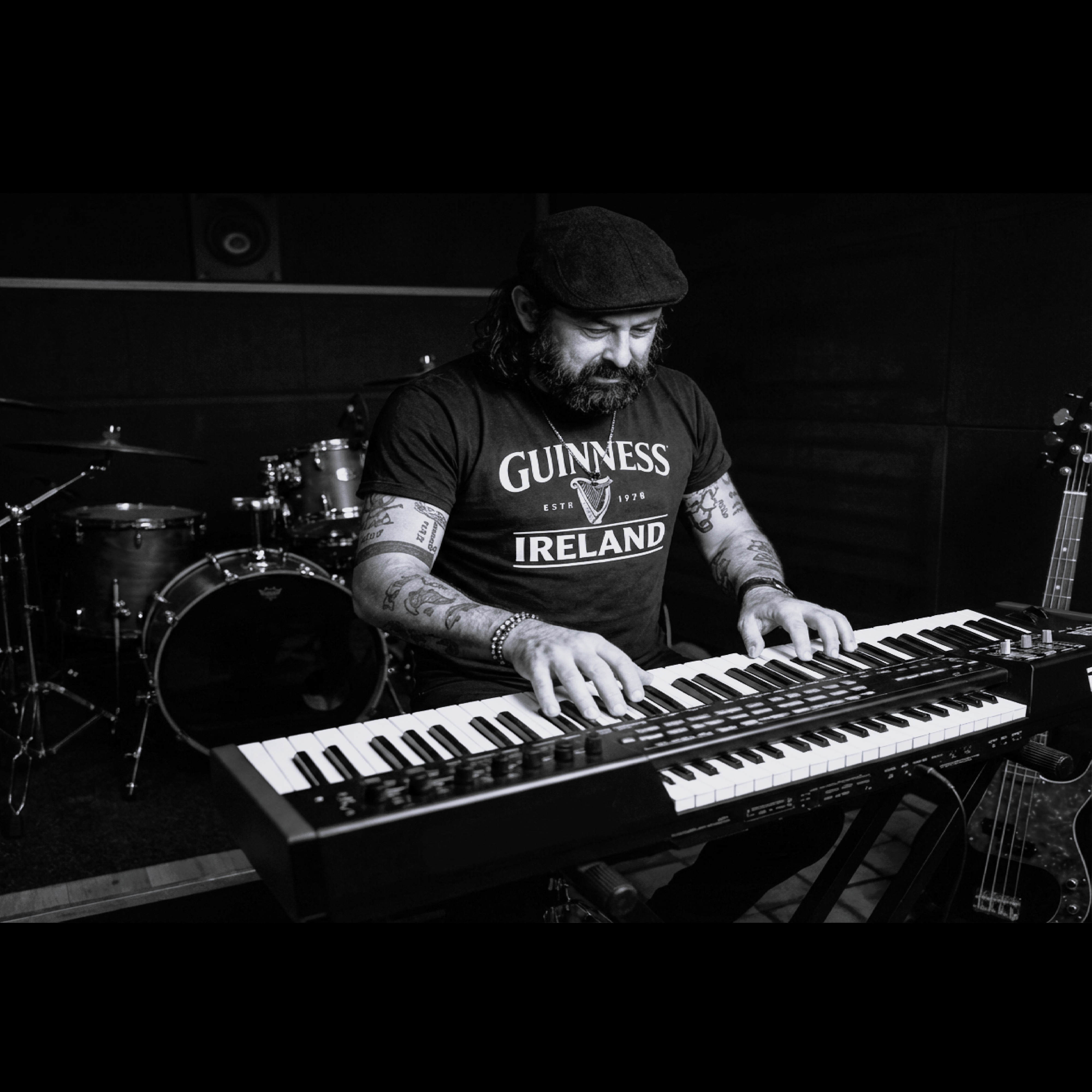
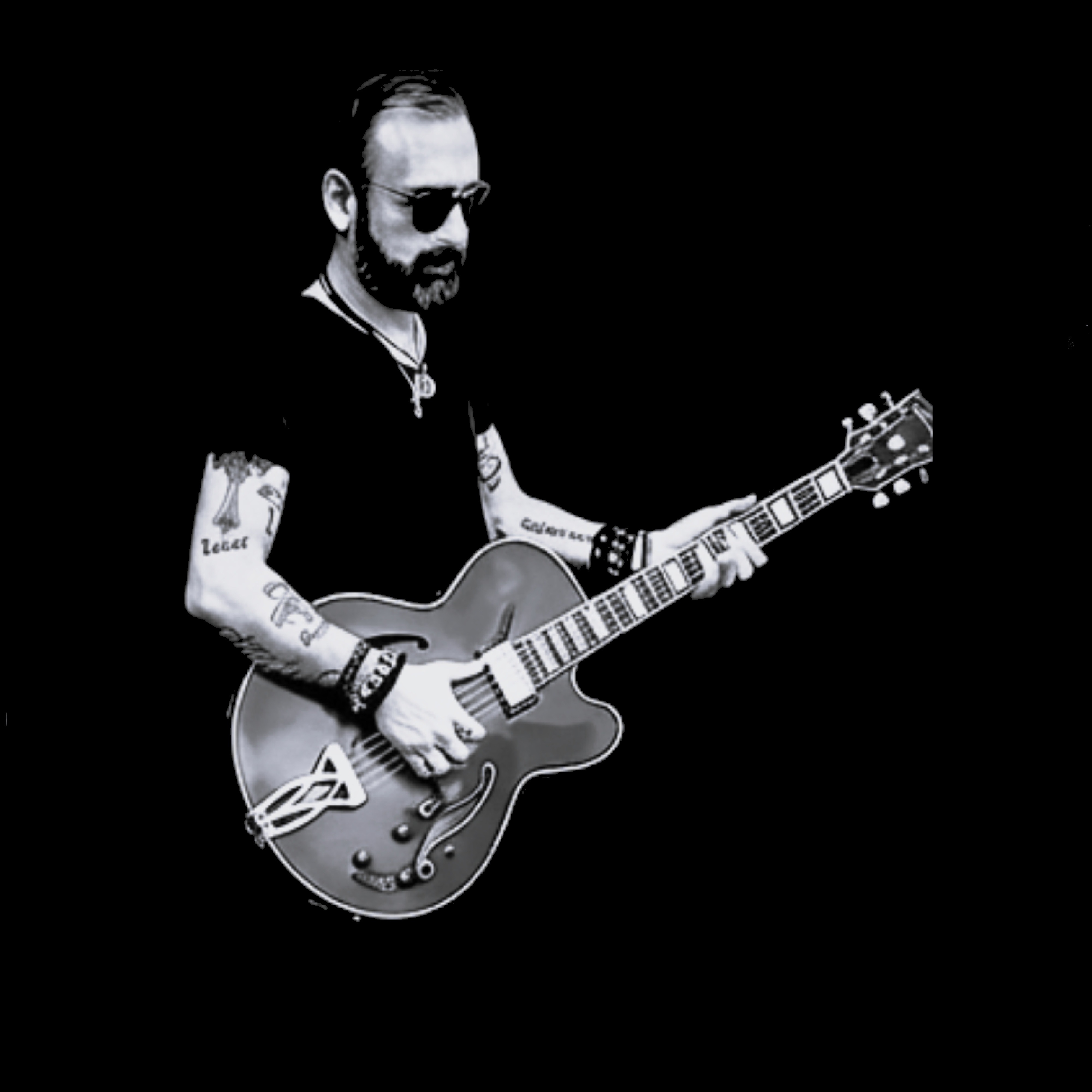
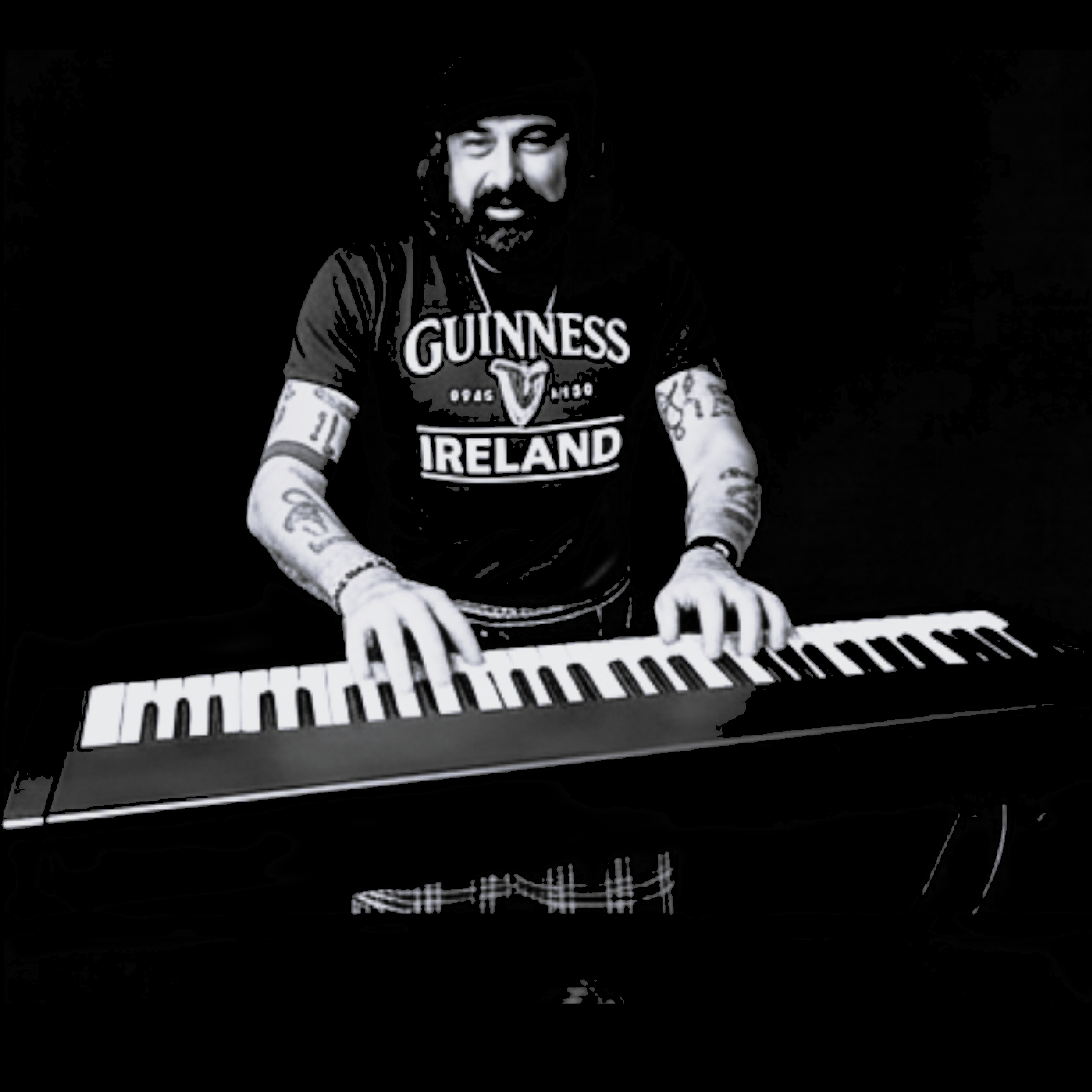
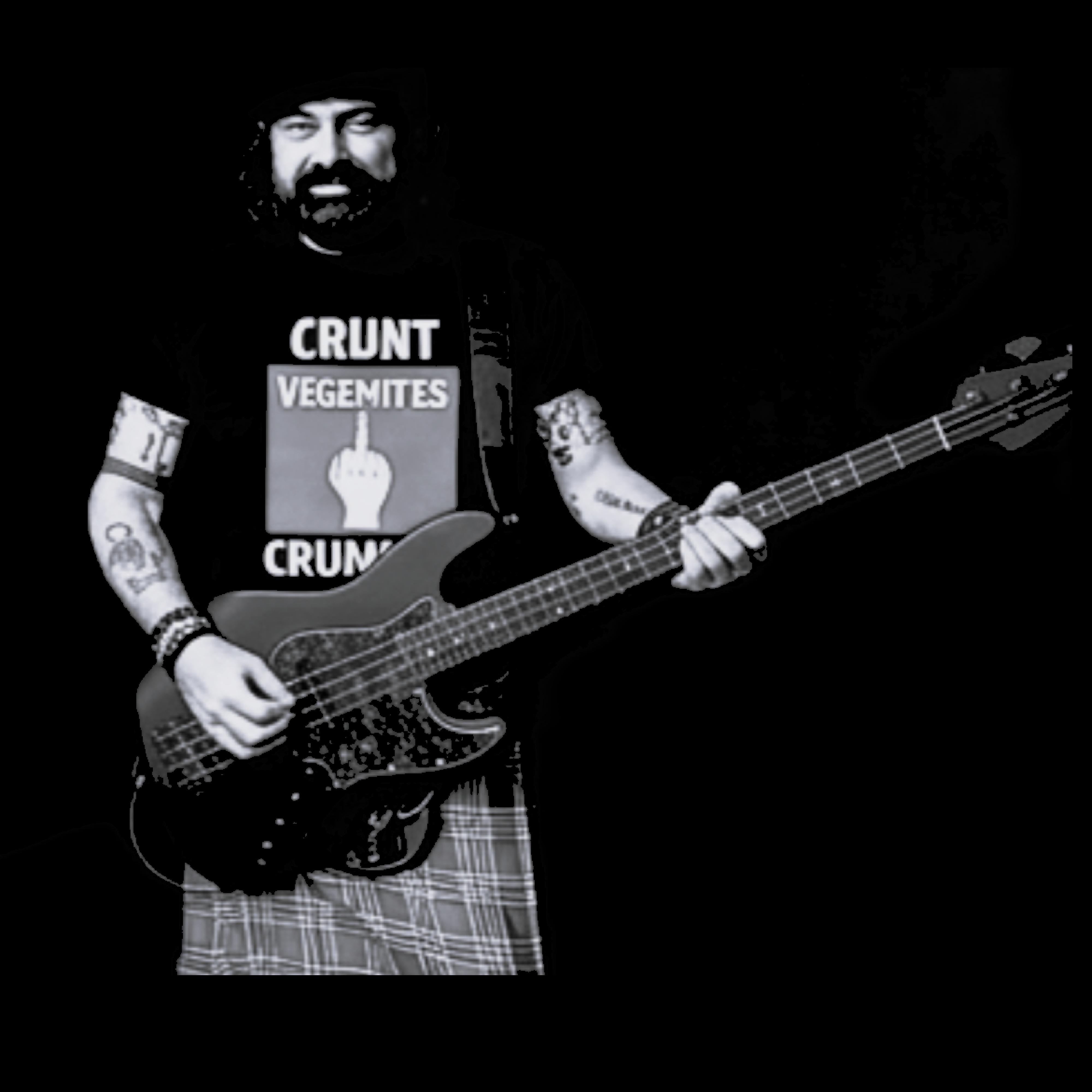
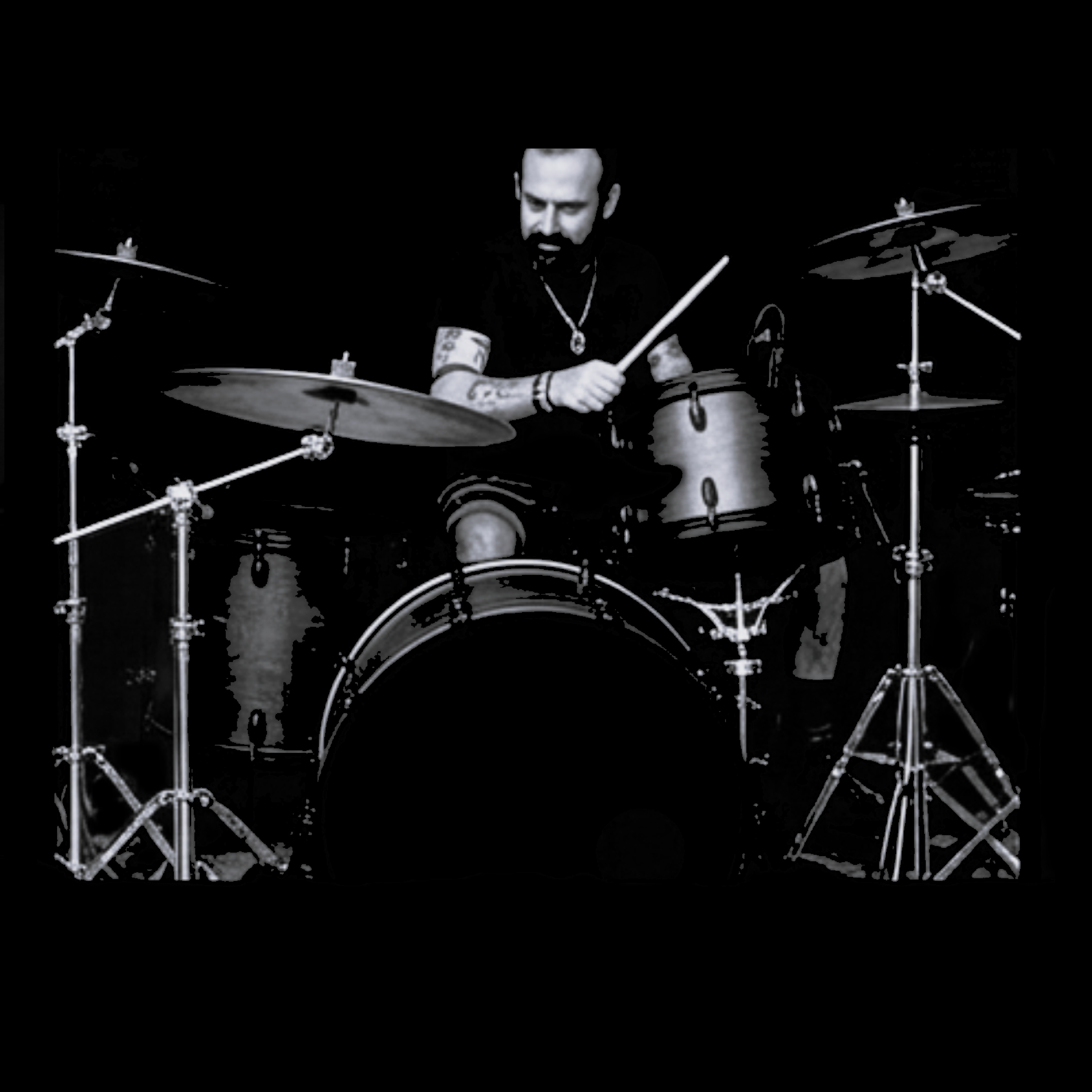
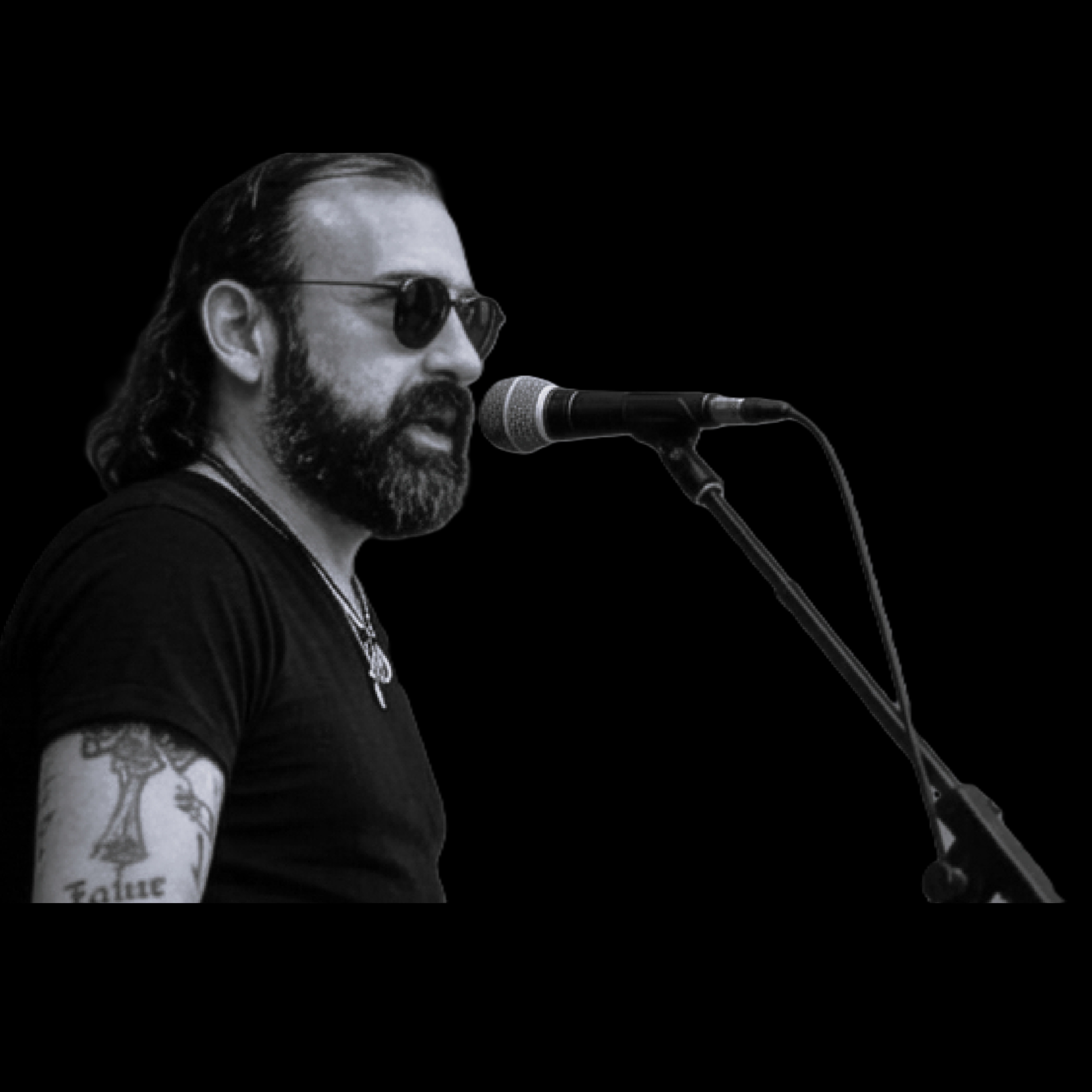
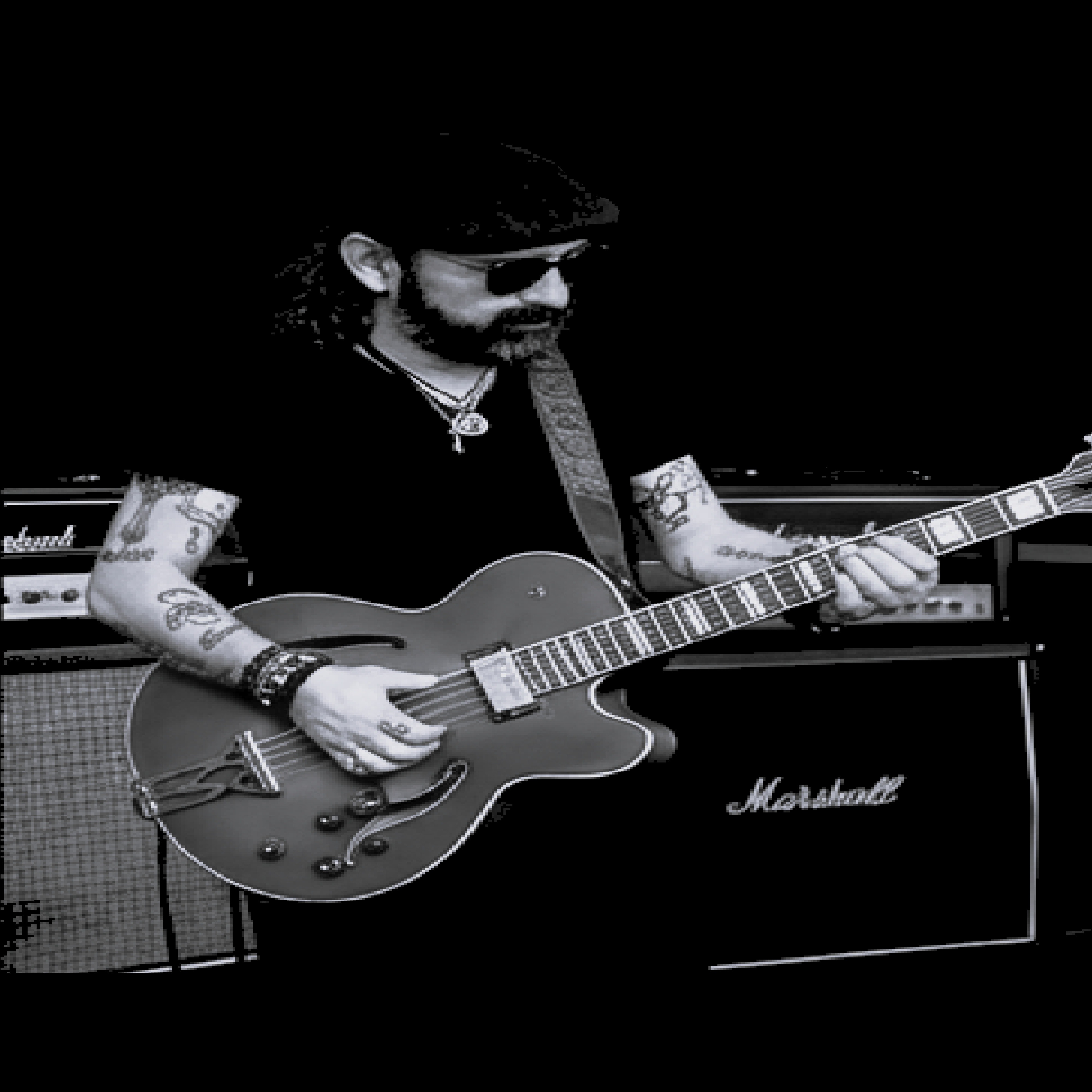
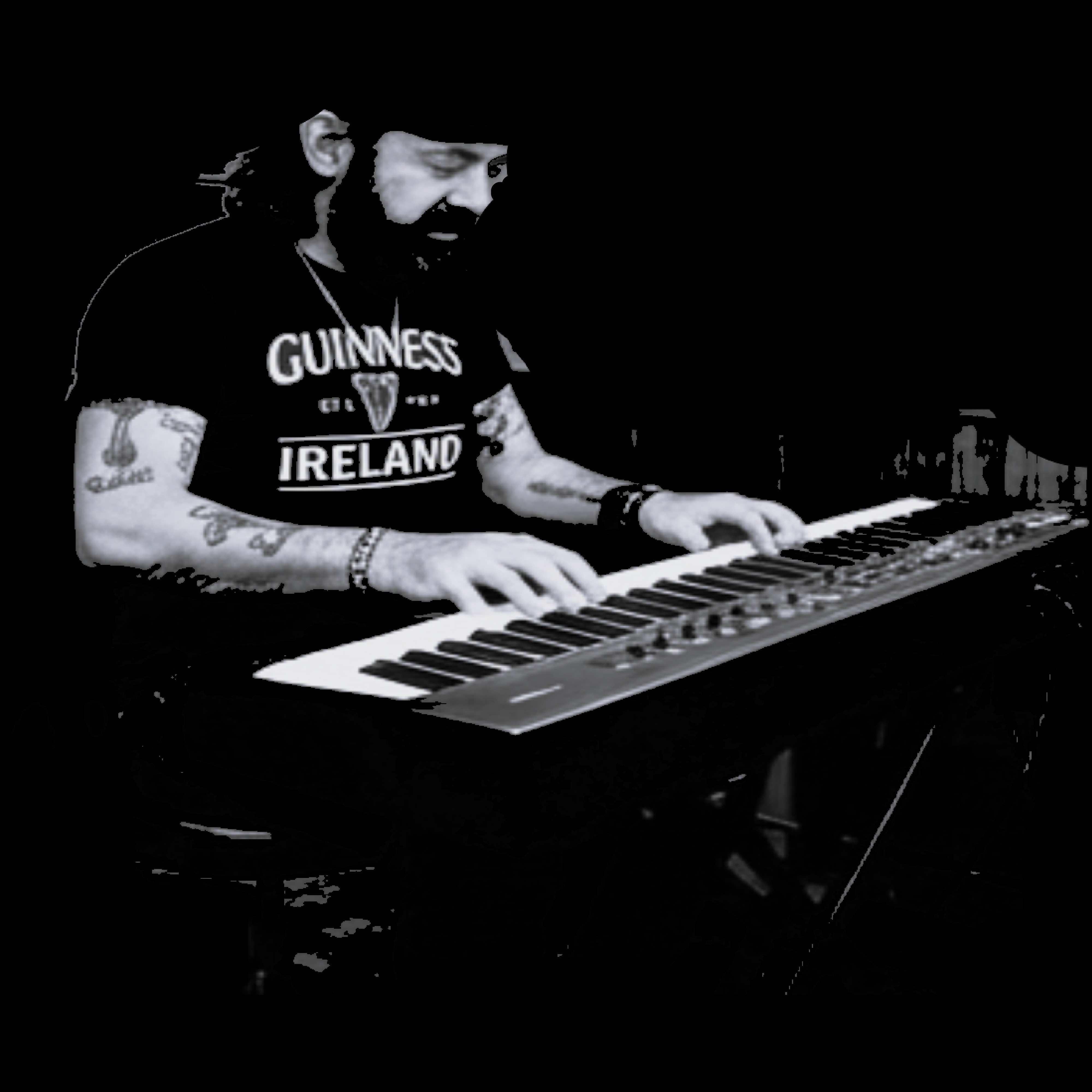
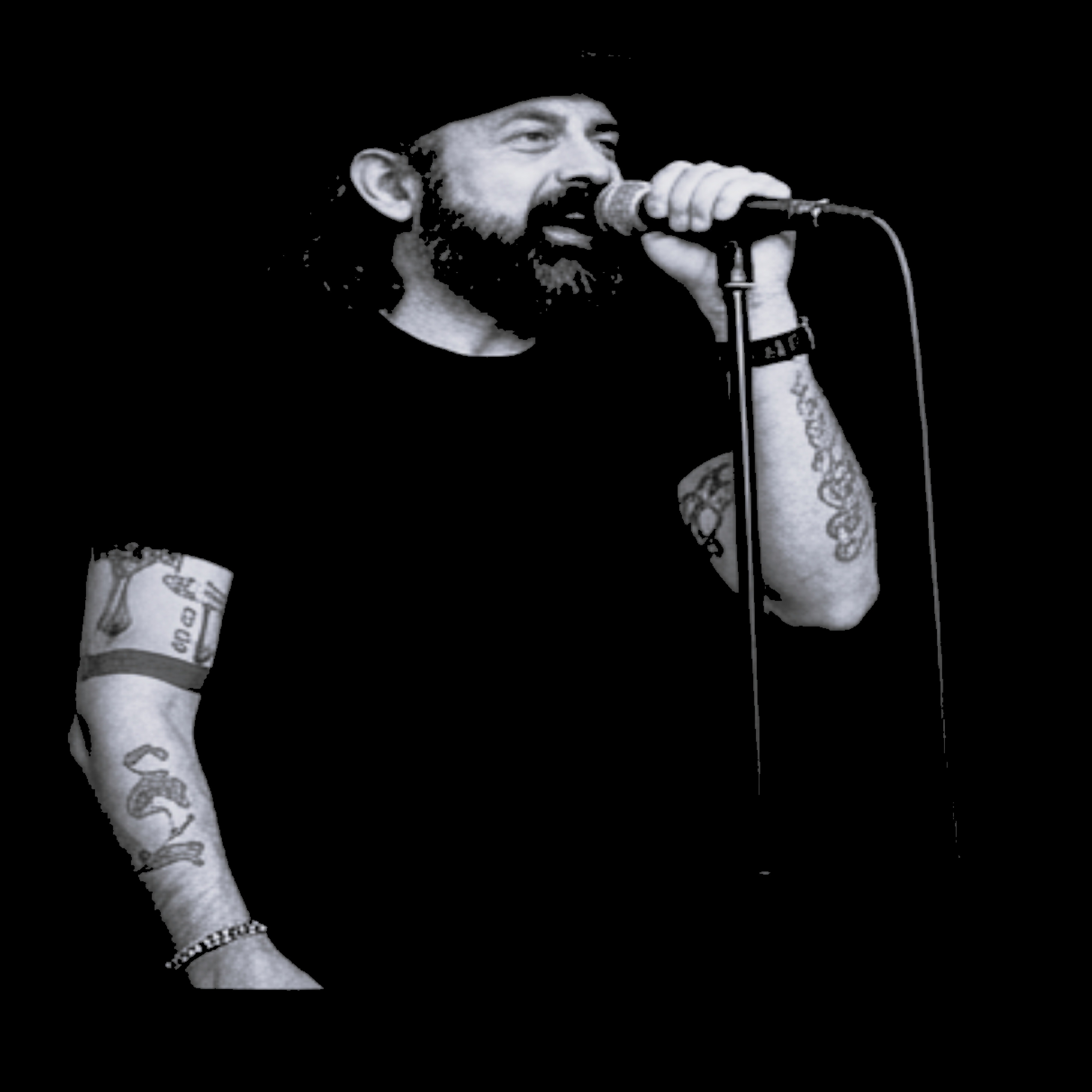
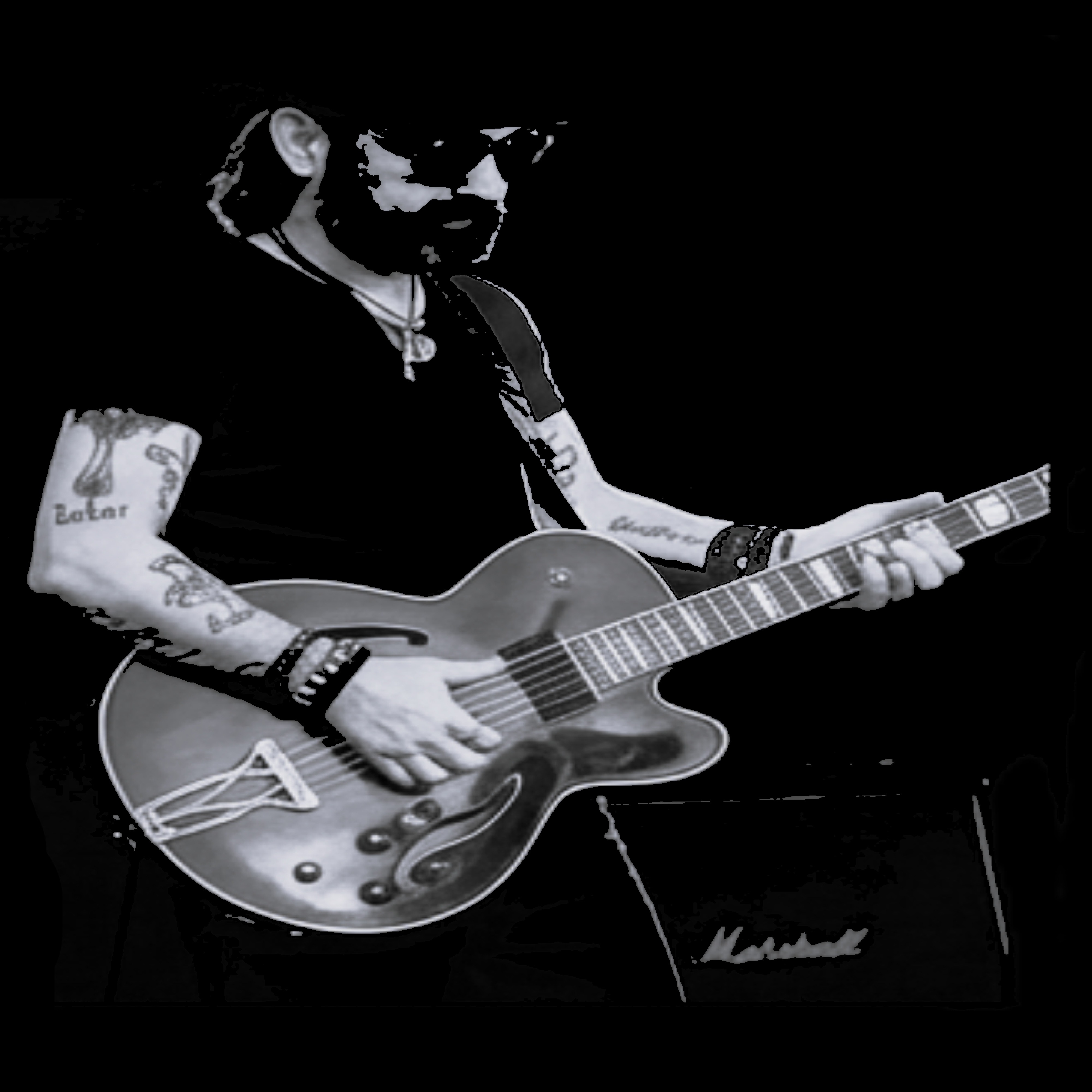
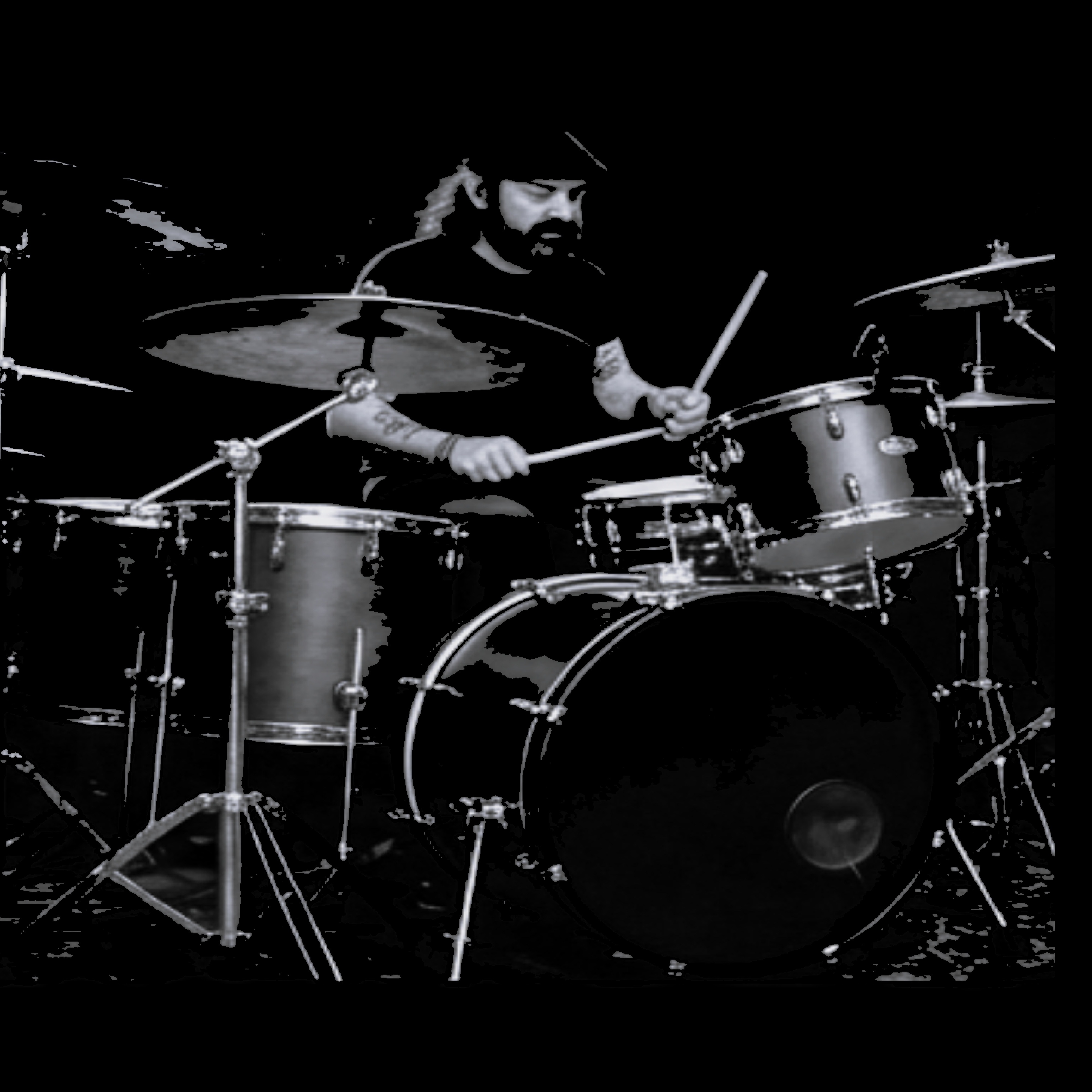
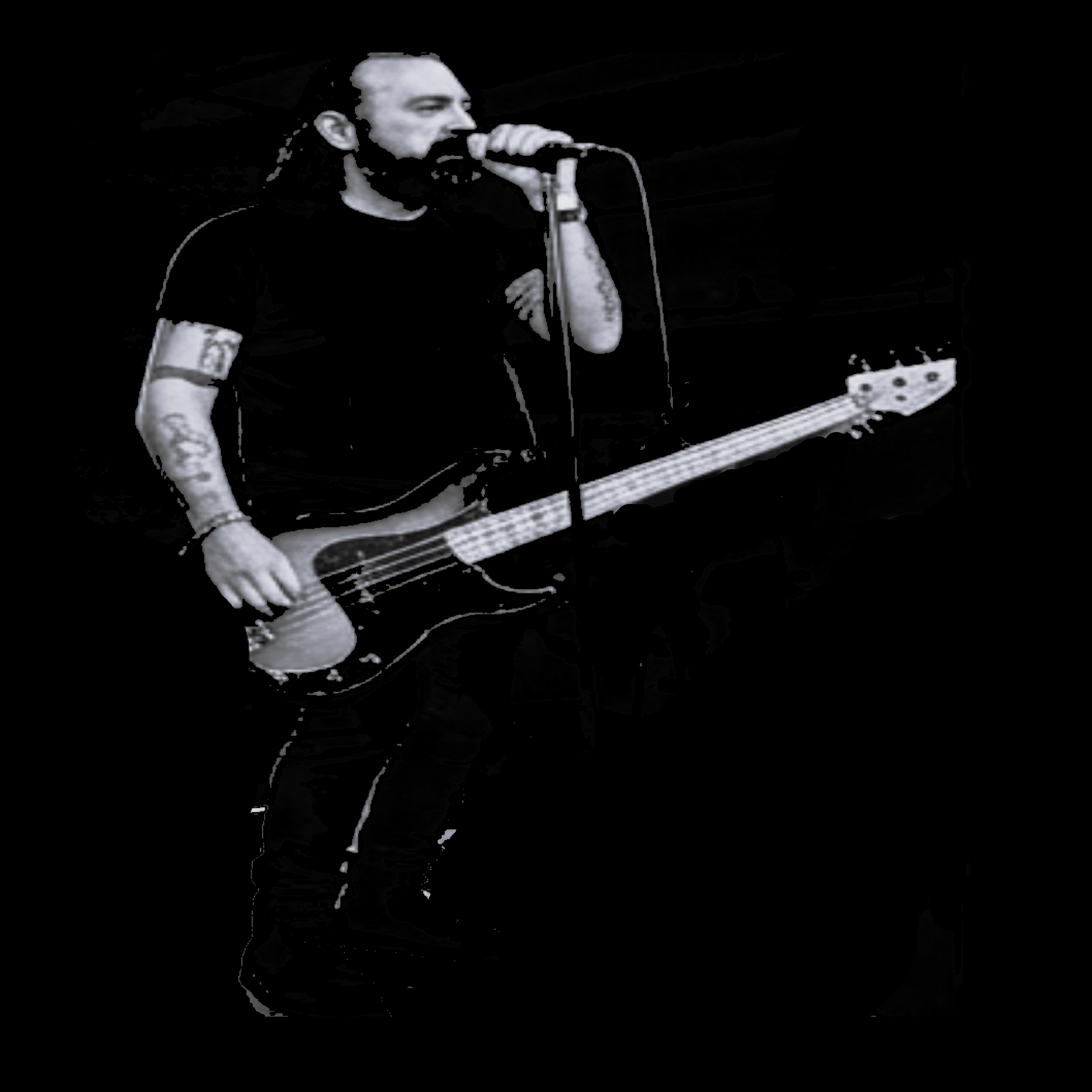
Official artist photos and music video stills — Keith Darley. All images © 2026 Keith Darley — Bridge Street Music Productions. For press and media enquiries: keithgdarley@gmail.com
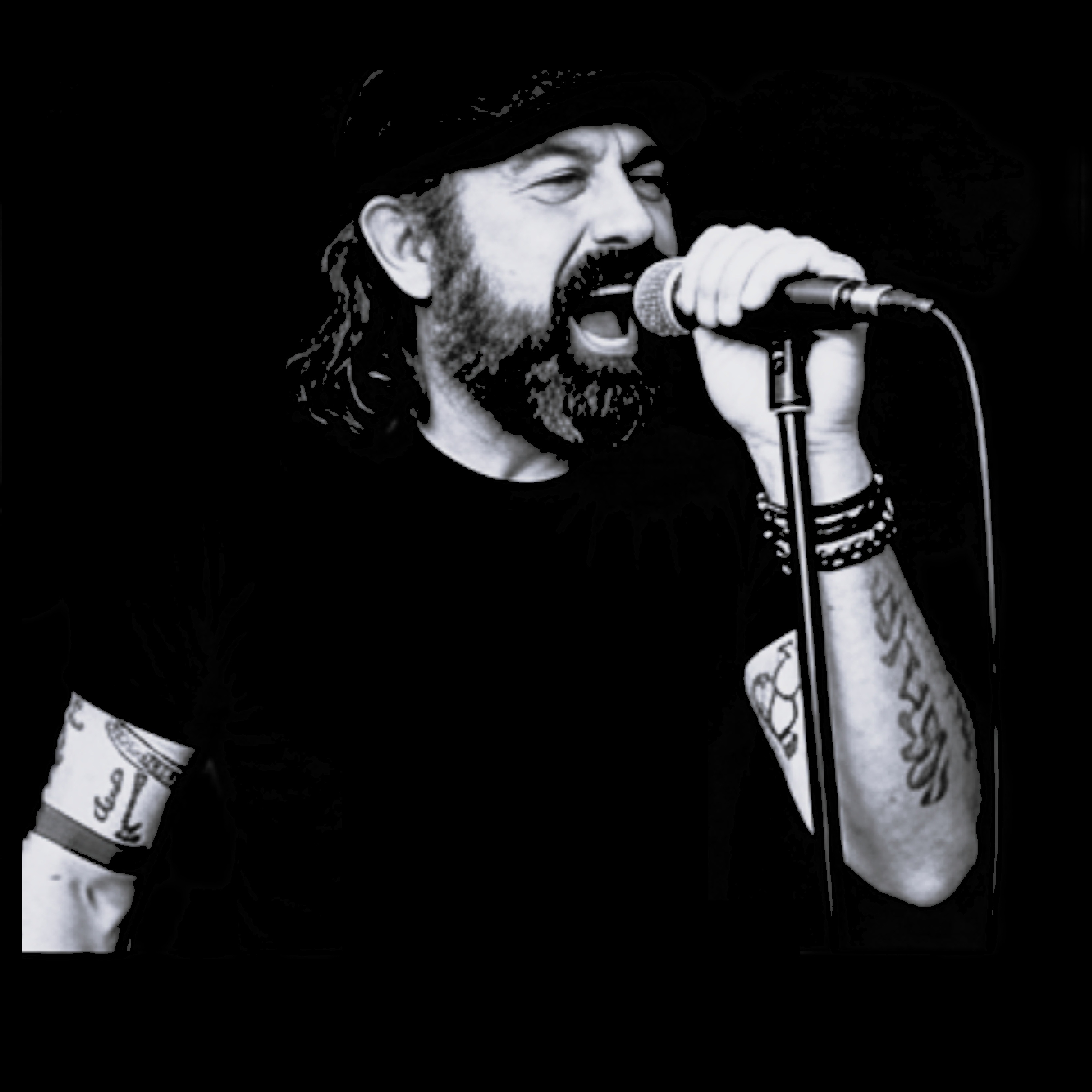
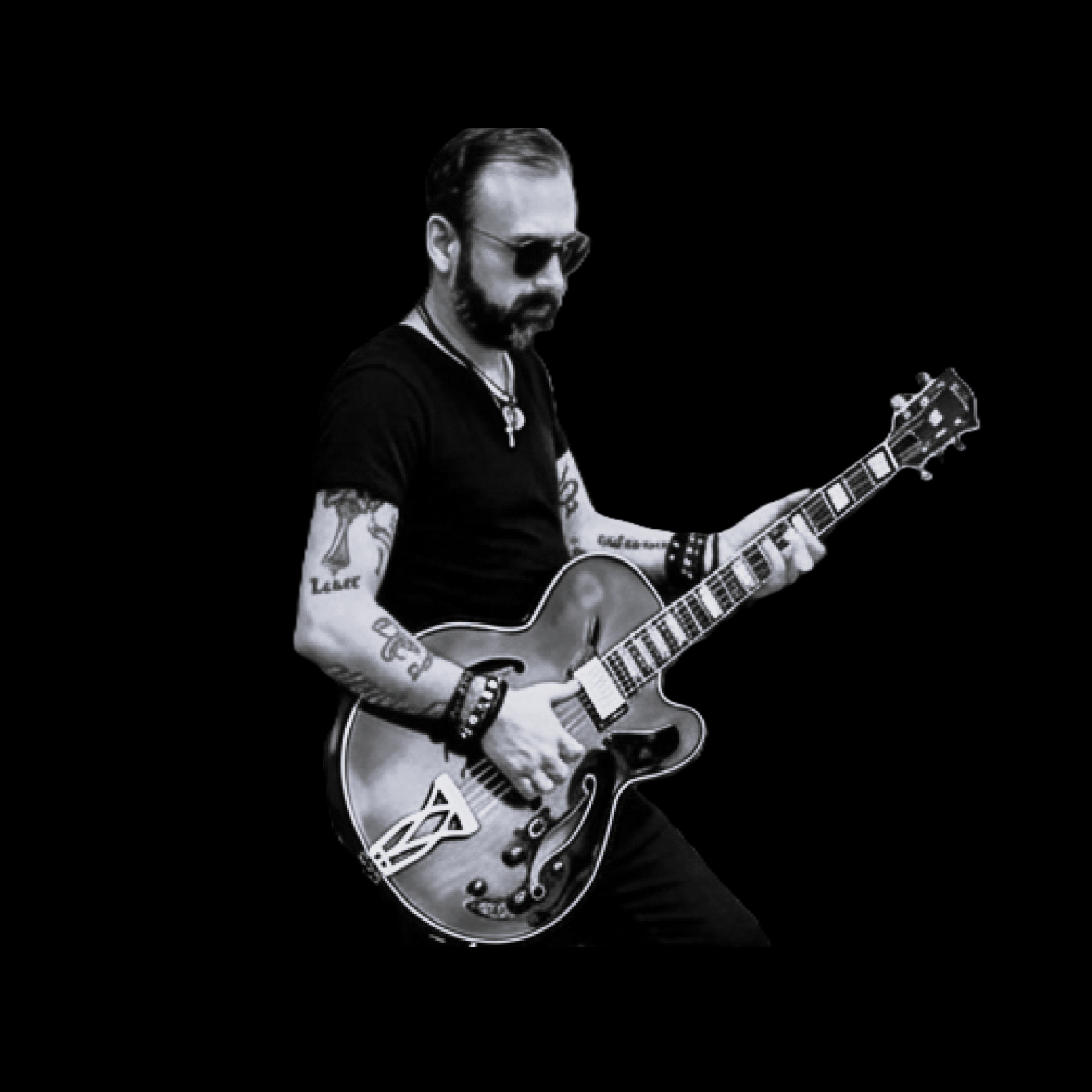
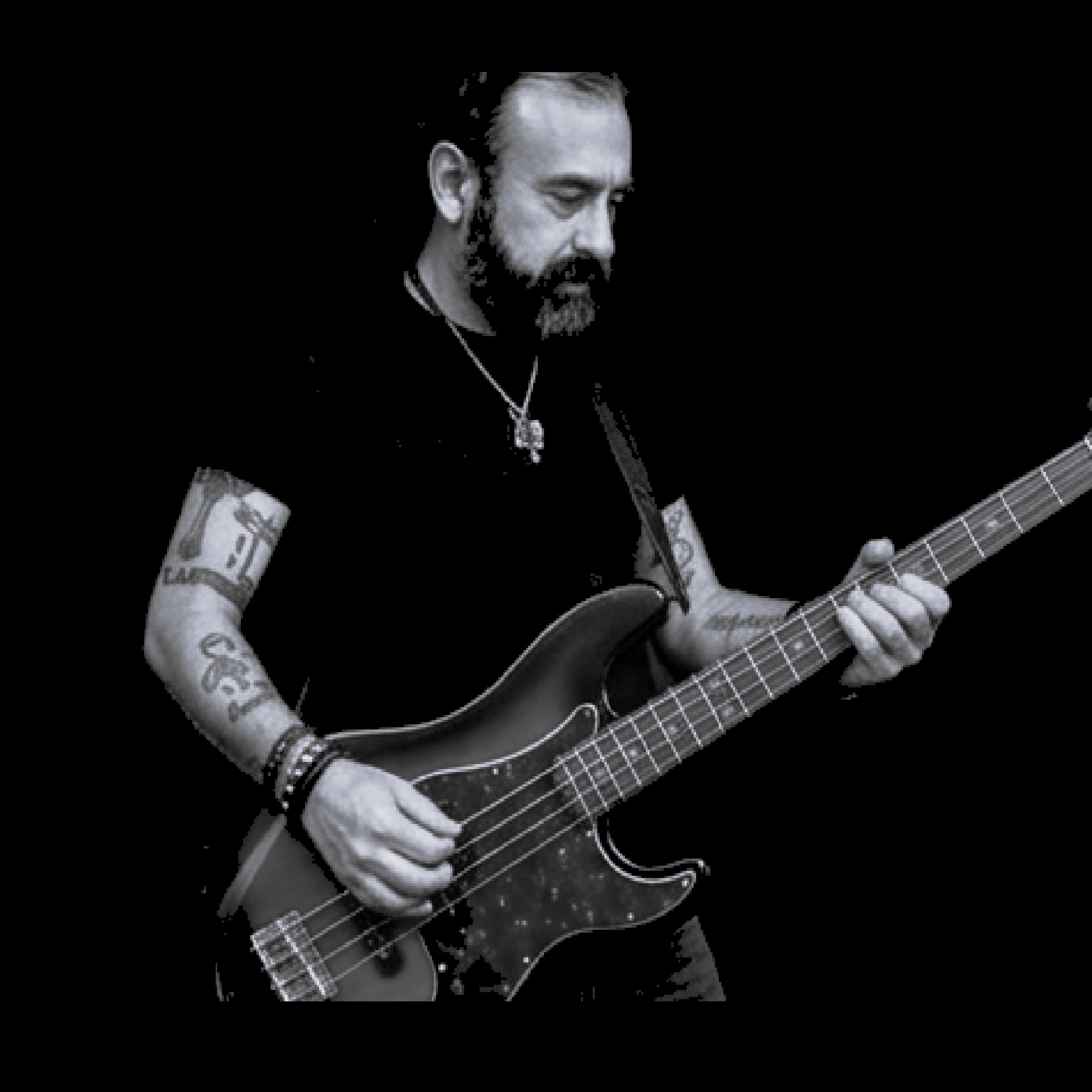
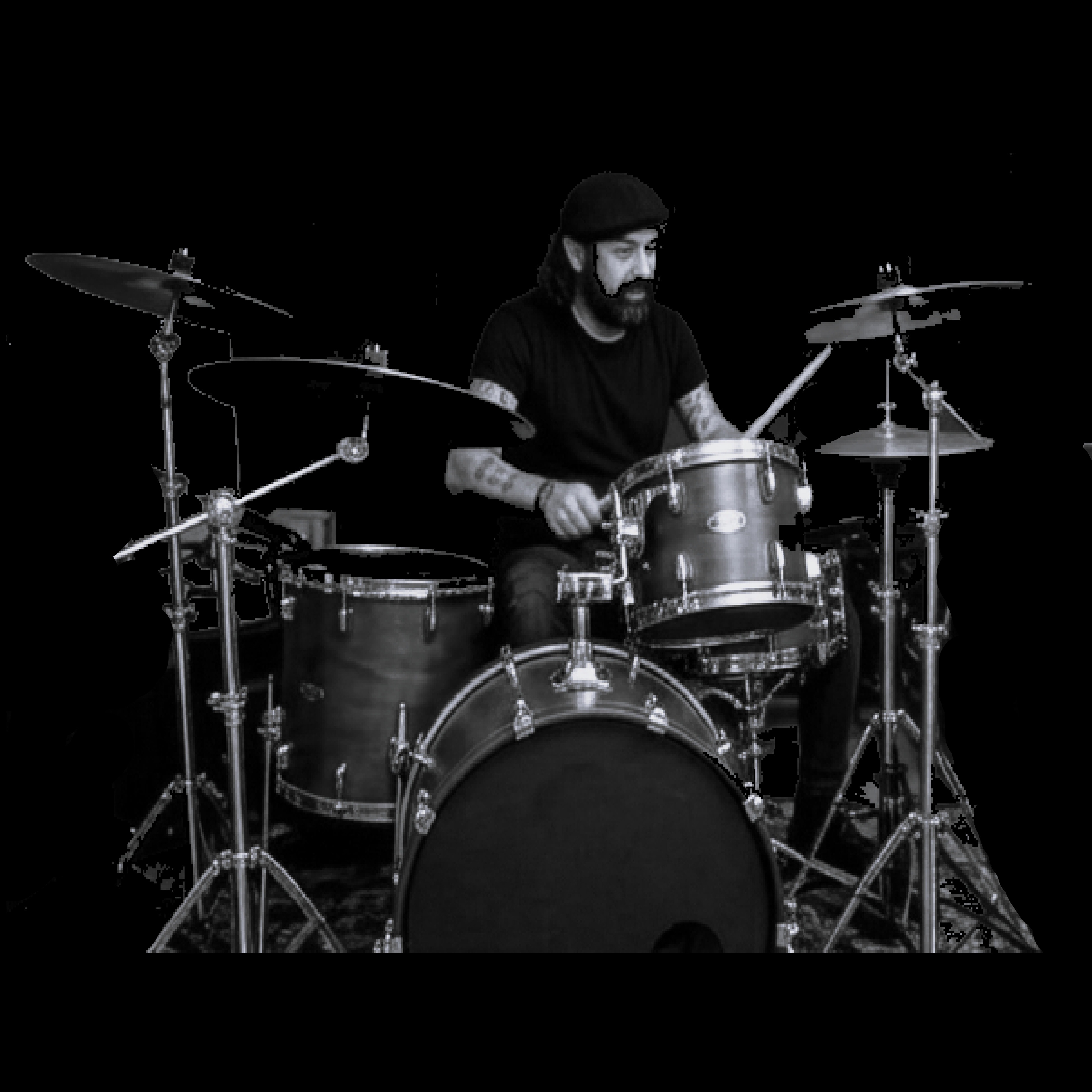
Click any image to view full size · Use arrow keys to navigate
All lyrics, compositions, arrangements, recordings and sounds are the 100% copyright property of Keith Darley — Bridge Street Music Productions. Lyrics composed by Keith Darley. Music composition by Keith Darley. Instrumentation created using Native Instruments, Roland DAWs, Audacity, LMMS, and various AI-assisted and human-edited production techniques. All rights reserved worldwide. Unauthorised copying, reproduction, hiring, lending, public performance and broadcasting strictly prohibited.
keithgdarley@gmail.com · +61 0431 164 190